Printable Pancreatitis Diet PDF: A Comprehensive Guide
Navigating pancreatitis requires dietary adjustments, and a printable PDF diet plan offers convenient guidance. Accessing a well-structured resource simplifies meal planning and supports recovery.
Understanding Pancreatitis & Diet
Pancreatitis, an inflammation of the pancreas, significantly impacts digestion. The pancreas produces enzymes crucial for breaking down fats, proteins, and carbohydrates. When inflamed, these enzymes can leak and begin to digest the pancreas itself, leading to considerable pain and complications. Dietary management is, therefore, a cornerstone of both acute and chronic pancreatitis treatment;
A carefully planned diet aims to reduce the pancreas’ workload, allowing it to rest and heal. This often involves minimizing fat intake, as fat requires the most pancreatic enzymes for digestion. Understanding the connection between food choices and pancreatic function is vital for effective management.
Printable pancreatitis diet PDFs serve as valuable tools, offering structured meal plans and food lists tailored to different phases of recovery. These resources can help individuals navigate the complexities of a pancreatic diet, ensuring they receive adequate nutrition while minimizing strain on the affected organ. Having a readily available guide promotes consistency and empowers patients to take control of their health; It’s essential to remember that individual needs vary, and consulting a healthcare professional is always recommended.
What is Pancreatitis? (Acute & Chronic)
Pancreatitis manifests in two primary forms: acute and chronic. Acute pancreatitis arises suddenly, often triggered by gallstones or excessive alcohol consumption, causing intense abdominal pain and inflammation. It typically resolves with treatment, but can be life-threatening. Chronic pancreatitis develops over time, often due to long-term alcohol abuse or genetic factors, leading to permanent pancreatic damage.
Both forms disrupt the pancreas’ ability to produce digestive enzymes and hormones like insulin. This impacts nutrient absorption and blood sugar regulation. A printable pancreatitis diet PDF becomes particularly crucial in managing these disruptions, offering guidance on minimizing pancreatic stimulation.
Understanding the distinction between these conditions is vital, as dietary approaches differ. While acute pancreatitis initially requires a near-zero diet to rest the pancreas, chronic pancreatitis necessitates a long-term, low-fat, nutrient-dense plan. A well-designed PDF will outline these phase-specific recommendations, aiding individuals in adapting their eating habits to support pancreatic health and overall well-being. Seeking professional advice alongside utilizing a diet plan is always best.
The Role of Diet in Managing Pancreatitis
Diet plays a pivotal role in both the acute and chronic management of pancreatitis. A carefully planned diet reduces the pancreas’ workload, minimizing inflammation and pain. In acute cases, restricting dietary intake allows the pancreas to rest and recover, transitioning to easily digestible foods as symptoms subside.
For chronic pancreatitis, a long-term dietary strategy is essential to prevent flare-ups and maintain nutritional status. A printable pancreatitis diet PDF serves as a valuable tool, providing a structured approach to low-fat eating. This minimizes pancreatic enzyme secretion, reducing abdominal discomfort and malabsorption.
The PDF should emphasize nutrient density, ensuring adequate vitamin and mineral intake despite dietary restrictions. Supplementation, guided by a healthcare professional, may be necessary. Utilizing a detailed PDF helps individuals navigate food choices, portion sizes, and meal timing, empowering them to actively participate in their health management. Consistent adherence to a tailored diet significantly improves quality of life.
Phase 1: Acute Pancreatitis Diet (Initial Recovery)
During the initial phase, a printable PDF guides a strict diet. Focusing on pancreatic rest, it details liquid intake and supports early healing stages.
Goals of the Acute Phase Diet
The primary goals during the acute phase of pancreatitis, as detailed in a printable PDF diet plan, center around significantly reducing the pancreas’ workload. This is achieved by minimizing pancreatic stimulation, primarily through drastically limiting fat intake. A printable guide emphasizes the importance of allowing the inflamed pancreas to rest and begin the healing process.
Specifically, the diet aims to reduce pain, prevent further inflammation, and avoid complications. A printable resource will highlight the need to maintain adequate hydration and nutrition, even with limited food choices; It’s crucial to prevent malnutrition while simultaneously providing the pancreas a chance to recover.
Furthermore, the acute phase diet, clearly outlined in a printable format, focuses on establishing tolerance to oral intake. Starting with clear liquids and gradually progressing, the plan monitors the patient’s response to each dietary advancement. The printable PDF serves as a roadmap, ensuring a safe and controlled reintroduction of nutrients, ultimately supporting a full recovery.
Clear Liquid Diet – The First Step
A printable pancreatitis diet PDF will invariably begin with a clear liquid diet, representing the initial and most restrictive phase of recovery. This stage is paramount for minimizing pancreatic stimulation and allowing the inflamed organ to rest. The printable guide stresses that clear liquids are easily digestible and require minimal digestive effort.
The purpose isn’t to provide complete nutrition, but rather to maintain hydration and electrolyte balance while the pancreas heals. A printable resource will emphasize the temporary nature of this diet, typically lasting only a few days, or until pain subsides and tolerance improves. It’s a crucial stepping stone towards reintroducing solid foods.
Successfully navigating this phase, as detailed in a printable PDF, involves carefully selecting appropriate liquids and monitoring for any signs of intolerance, such as increased pain or nausea. The printable plan provides a clear list of acceptable options, ensuring patients adhere to the necessary restrictions for optimal recovery and a smooth transition to the next dietary stage.
Acceptable Clear Liquids
A comprehensive printable pancreatitis diet PDF will meticulously list acceptable clear liquids, crucial for the initial recovery phase. These beverages must leave no residue in the digestive tract, minimizing pancreatic workload. Water is, of course, the cornerstone, emphasized repeatedly in the printable guide.
Other permitted options, clearly outlined in a printable resource, include clear broth (beef, chicken, or vegetable – fat-free!), clear fruit juices like apple or grape (pulp-free), and plain gelatin (without added fruit or cream). Weak tea and black coffee (without milk or sugar) are generally allowed in moderation, as detailed in the printable plan.
Importantly, a printable PDF will explicitly state what isn’t acceptable: milk, cream-based soups, juices with pulp, and any beverages containing fat or sugar. The printable document stresses the importance of reading labels carefully to avoid hidden ingredients. Adhering strictly to this list, as presented in the printable diet, is vital for successful pancreatic rest and subsequent recovery.
Duration of Clear Liquid Phase
A reliable printable pancreatitis diet PDF will clearly state that the duration of the clear liquid phase isn’t fixed, varying based on individual patient response. Typically, this phase lasts anywhere from 2 to 5 days, but a printable guide emphasizes close monitoring by healthcare professionals is essential.
The printable resource will explain that progression to the next dietary stage – introducing solid foods – depends on symptom resolution. Key indicators include a decrease in abdominal pain, reduced nausea and vomiting, and normalization of pancreatic enzyme levels, all detailed within the printable document.
It’s crucial, as highlighted in a good printable PDF, to avoid rushing this phase. Prematurely introducing solid foods can exacerbate inflammation and hinder recovery. The printable plan will likely include a section on communicating with your doctor regarding readiness for advancement. A well-designed printable diet will also caution against self-treating and emphasize the importance of following medical advice precisely, ensuring a safe and effective transition.
Phase 2: Transitioning to a Low-Fat Diet
A printable pancreatitis diet PDF guides the shift to low-fat foods, introducing solids slowly. Careful progression minimizes pancreatic stress, aiding recovery and improving digestion.
Introducing Solid Foods Gradually
Transitioning from a clear liquid diet to solid foods with pancreatitis requires a methodical approach, and a printable pancreatitis diet PDF can be invaluable. Begin with very small portions – think two to three tablespoons – of easily digestible foods. This minimizes the workload on your pancreas.
Start with bland, low-fat options like well-cooked cereals (oatmeal, cream of wheat), mashed potatoes (prepared with water or broth, not milk or butter), and soft-cooked eggs. Observe how your body responds to each new food before adding another. If you experience pain, bloating, or diarrhea, revert to the previous tolerated food level and consult your doctor.
Increase portion sizes and food variety slowly, over several days or even weeks, depending on your individual tolerance. A printable diet plan often outlines a suggested progression. Remember, the goal isn’t to rush the process, but to reintroduce nutrients while allowing your pancreas to heal. Prioritize foods that are gentle on your digestive system and avoid overwhelming it with rich or fatty meals. Patience is key to successful re-feeding.
Low-Fat Food Choices (Protein Sources)
Maintaining adequate protein intake is crucial during pancreatitis recovery, but selecting low-fat sources is paramount. A printable pancreatitis diet PDF should clearly outline suitable options. Lean poultry – skinless chicken or turkey breast – is an excellent choice, prepared by baking, grilling, or poaching, never frying.
Fish, particularly white fish like cod, haddock, or flounder, provides protein with minimal fat. Avoid fatty fish like salmon or tuna initially. Egg whites are a good source of protein, while limiting or avoiding yolks due to their fat content. Plant-based proteins, such as tofu and tempeh, are also beneficial, ensuring they are prepared without added oils.
Consider low-fat dairy products in moderation, like skim milk or non-fat yogurt, if tolerated. A printable diet may suggest portion sizes. Remember to trim all visible fat from meats and remove skin from poultry. Prioritizing these lean protein sources supports healing without exacerbating pancreatic inflammation. Careful selection and preparation are vital.
Low-Fat Food Choices (Carbohydrates)
Carbohydrates should form a significant portion of your diet during pancreatitis management, but choosing low-fat options is essential, as detailed in a printable pancreatitis diet PDF. Refined grains like white bread, pasta, and rice should be limited; instead, opt for complex carbohydrates.
Excellent choices include whole-wheat bread, brown rice, quinoa, and oatmeal. These provide sustained energy and fiber. Potatoes, boiled, baked, or steamed (without added butter or cream), are generally well-tolerated. Sweet potatoes offer additional nutritional benefits. A printable diet plan will often specify appropriate serving sizes.
Avoid sugary cereals, pastries, and processed snacks, as these contribute empty calories and can worsen inflammation. Focus on naturally sweet options in moderation, like small portions of fruit. When preparing carbohydrates, avoid frying or adding high-fat sauces or dressings. Prioritizing these low-fat carbohydrate sources supports energy levels and overall recovery.
Low-Fat Food Choices (Fruits & Vegetables)
Fruits and vegetables are vital for a nutrient-rich, low-fat pancreatitis diet, often outlined in a printable pancreatitis diet PDF. Most fruits are naturally low in fat, making them excellent choices. Opt for baked apples, bananas, berries (strawberries, blueberries, raspberries), and canned peaches or pears packed in water or juice – avoid those in heavy syrup.
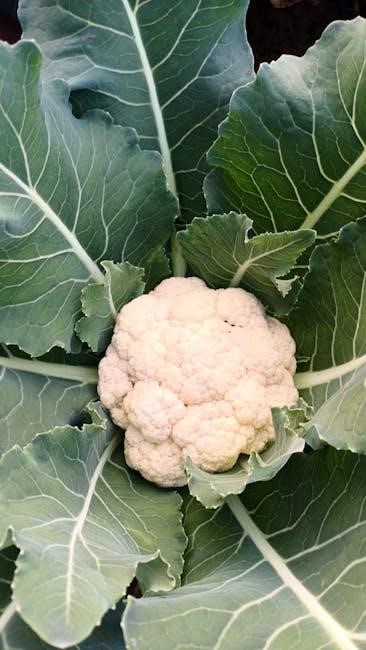
Vegetables should be steamed, grilled, baked, or boiled – never fried. Good options include green beans, carrots, spinach, asparagus, and squash. Limit cruciferous vegetables like broccoli and cauliflower initially, as they can cause gas and bloating. A printable diet resource will often detail portion control.
Avoid creamy vegetable soups or those made with high-fat sauces. Salads are acceptable, but use a light vinaigrette dressing sparingly. Prioritizing these colorful, low-fat fruits and vegetables provides essential vitamins, minerals, and fiber, supporting healing and overall well-being during pancreatitis management.
Phase 3: Long-Term Chronic Pancreatitis Diet
Sustaining a low-fat diet is crucial for chronic pancreatitis. A printable pancreatitis diet PDF aids long-term adherence, promoting digestive health and minimizing symptom flare-ups.
Maintaining a Low-Fat, Nutrient-Rich Diet
Long-term management of chronic pancreatitis hinges on consistently following a low-fat, nutrient-rich dietary pattern. This isn’t about deprivation, but rather making informed food choices to minimize pancreatic stimulation and ensure adequate nutritional intake. A printable pancreatitis diet PDF can be incredibly helpful in visualizing these guidelines and staying on track.
Focus on lean protein sources like skinless poultry, fish, and tofu. Incorporate complex carbohydrates – whole grains, brown rice, and sweet potatoes – for sustained energy. Fruits and vegetables are essential, but be mindful of those higher in fat, like avocados. Prioritize cooking methods that minimize added fats: baking, grilling, steaming, and poaching are excellent options.
Supplementation may be necessary to address potential nutrient deficiencies, particularly fat-soluble vitamins (A, D, E, and K) if fat absorption is compromised. Regular monitoring with a healthcare professional is vital. Utilizing a printable PDF allows for easy tracking of food intake and identification of potential areas for improvement, fostering a proactive approach to dietary management and overall well-being.
Importance of Enzyme Replacement Therapy (ERT)
Even with a meticulously planned low-fat diet – aided by a printable pancreatitis diet PDF – many individuals with chronic pancreatitis require Enzyme Replacement Therapy (ERT) to effectively digest food. Pancreatic insufficiency, a common consequence of chronic inflammation, reduces the body’s natural ability to produce sufficient digestive enzymes.
ERT involves taking pancreatic enzyme supplements – typically lipase, protease, and amylase – with meals to break down fats, proteins, and carbohydrates. This improves nutrient absorption, reduces abdominal pain, bloating, and steatorrhea (fatty stools), and ultimately enhances quality of life. Dosage is highly individualized and determined by a physician based on symptom severity and dietary fat intake.
A printable diet plan can work in tandem with ERT, helping to gauge enzyme needs based on food choices. It’s crucial to follow your doctor’s instructions regarding ERT and to report any side effects. ERT isn’t a cure, but a vital tool for managing symptoms and optimizing nutritional status alongside a carefully controlled diet.
Foods to Avoid (High-Fat Foods)
A printable pancreatitis diet PDF will emphasize the critical need to limit fat intake. High-fat foods significantly stimulate the pancreas, exacerbating inflammation and pain. Avoiding these is paramount for managing both acute and chronic conditions;
Specifically, steer clear of fried foods (French fries, fried chicken), fatty meats (bacon, sausage, ribs, marbled steaks), full-fat dairy products (whole milk, cheese, butter, cream), processed snacks (chips, cookies, pastries), and rich sauces/gravies. Certain oils, like coconut oil and palm oil, are also high in saturated fats and should be minimized.
Hidden fats are equally problematic. Be mindful of ingredients in pre-packaged foods, salad dressings, and even seemingly healthy options like avocados and nuts – consume these in very small portions. Reading food labels carefully is essential. Utilizing your printable diet plan as a guide, prioritize lean protein sources and low-fat alternatives to maintain pancreatic health and minimize discomfort.
Foods to Avoid (Alcohol & Caffeine)
Your printable pancreatitis diet PDF will undoubtedly highlight the absolute necessity of eliminating alcohol consumption. Alcohol is a major trigger for pancreatitis, directly damaging pancreatic cells and intensifying inflammation. Even small amounts can significantly worsen symptoms and impede recovery, regardless of whether it’s acute or chronic.
Similarly, caffeine should be drastically reduced or avoided altogether. While not as directly damaging as alcohol, caffeine stimulates gastric acid production, which in turn can stimulate the pancreas. This increased stimulation can exacerbate pain and digestive issues. Consider switching to herbal teas or water.
Be vigilant about hidden sources of both alcohol and caffeine. Some medications, mouthwashes, and even certain foods contain these substances. Referencing your printable diet plan will help you identify and avoid these hidden culprits; Prioritizing hydration with water and avoiding these stimulants is crucial for supporting pancreatic healing and overall well-being.
Foods to Avoid (Spicy Foods & Sugary Drinks)
Your printable pancreatitis diet PDF will emphasize the importance of avoiding spicy foods. Capsaicin, the compound that gives chili peppers their heat, can irritate the digestive system and stimulate pancreatic secretions, leading to increased pain and discomfort. Opt for milder seasonings and flavorings instead.
Sugary drinks, including sodas, juices, and sweetened beverages, are equally detrimental. High sugar intake can contribute to inflammation and worsen pancreatic function. Furthermore, the rapid spike in blood sugar can strain the body’s metabolic processes. Focus on water, herbal teas, and unsweetened beverages.
Hidden sugars are prevalent in many processed foods, so careful label reading is essential. Your diet plan should guide you in identifying these hidden sources. Avoiding both spicy foods and sugary drinks will significantly reduce pancreatic stress and promote a more comfortable digestive experience, aiding in your recovery and long-term management.
Resources & Printable PDF
Numerous online resources offer printable pancreatitis diet PDFs. Ensure the source is credible, like a hospital or registered dietitian, for accurate and safe guidance.
Finding a Reliable Printable Pancreatitis Diet PDF
Locating a trustworthy printable pancreatitis diet PDF requires careful consideration. The internet is filled with information, but not all sources are created equal. Prioritize PDFs originating from reputable medical institutions, such as major hospitals or university-affiliated healthcare centers. Look for documents created or reviewed by Registered Dietitians (RDs) specializing in gastroenterology. These professionals possess the expertise to provide accurate and safe dietary recommendations.
Avoid PDFs from unknown websites or those promoting unverified claims. Check for a clear disclaimer stating the information isn’t a substitute for professional medical advice. A reliable PDF will typically outline the different phases of a pancreatitis diet – acute, transition, and chronic – with specific food lists for each stage. It should also emphasize the importance of individualization, acknowledging that dietary needs vary based on the severity of pancreatitis and individual tolerance.
Consider resources from national organizations dedicated to digestive diseases, like the National Pancreas Foundation. These organizations often provide downloadable guides vetted by medical experts. Before implementing any dietary changes based on a PDF, discuss it with your doctor or a Registered Dietitian to ensure it aligns with your specific health condition and treatment plan. Remember, self-treating can be harmful, and professional guidance is crucial for managing pancreatitis effectively.
Tips for Using a Printable Diet Plan
Maximizing the benefits of your printable pancreatitis diet PDF requires a strategic approach. Begin by thoroughly reviewing the entire document before starting any dietary changes. Highlight key information, such as allowed and restricted foods for each phase, and keep it readily accessible in your kitchen. Use the plan as a guide, not a rigid rulebook; listen to your body and adjust as needed, always in consultation with your healthcare provider.
Plan your meals in advance, utilizing the food lists provided. Grocery shopping with the PDF in hand will help you stay focused on appropriate choices. Consider creating a weekly meal plan to streamline the process and reduce the temptation to deviate. Don’t hesitate to modify recipes to reduce fat content – baking instead of frying, for example.
Track your symptoms alongside your dietary intake; Note any foods that trigger discomfort or worsen your condition, and discuss these observations with your doctor or dietitian. A printable plan is most effective when combined with consistent monitoring and professional guidance. Remember to update the plan as you progress through different phases of recovery, and always prioritize your overall well-being.
Working with a Registered Dietitian
While a printable pancreatitis diet PDF provides valuable information, personalized guidance from a Registered Dietitian (RD) is invaluable. An RD can assess your specific needs, considering the severity of your pancreatitis, your medical history, and any other health conditions you may have. They’ll create a tailored meal plan that addresses your unique requirements, ensuring adequate nutrition while minimizing pancreatic stress.
An RD can help you navigate the complexities of a low-fat diet, offering creative meal ideas and strategies for managing cravings. They’ll also educate you on label reading, portion control, and potential nutrient deficiencies. Furthermore, they can assist in adjusting your diet as your condition evolves, particularly during the transition between acute and chronic phases.
Don’t hesitate to ask your RD about enzyme replacement therapy (ERT) and how it integrates with your dietary plan. They can provide ongoing support, address any concerns, and empower you to make informed food choices for long-term health. Investing in professional dietary counseling significantly enhances your pancreatitis management journey.