
Kratom Guide: A Comprehensive Overview (Updated March 13, 2026)
Kratom, available in various forms, is increasingly used for energy, pain relief, or sedation, though effects depend on dosage and can carry significant health risks․
What is Kratom?
Kratom (Mitragyna speciosa) is a tropical evergreen tree native to Southeast Asia, belonging to the coffee family․ Traditionally, its leaves have been used for medicinal and ritualistic purposes for centuries․ Today, it’s gaining prominence globally, available in smoke shops, online, and even convenience stores in certain regions, accessible to adults aged 18 or 21, depending on the state․
People utilize kratom for diverse reasons, seeking to boost energy levels, alleviate pain, or achieve a calming effect․ Consumption methods vary; some chew the raw leaves, while others smoke them․ More commonly, it’s processed into powder or liquid extracts, added to foods or beverages․ However, it’s crucial to understand that kratom’s effects are dose-dependent, meaning the outcome can drastically change based on the amount consumed․ This variability contributes to the complexity surrounding its use and potential risks․
Botanical Origins and Traditional Use
Kratom originates from the tropical regions of Southeast Asia, including countries like Thailand, Malaysia, Indonesia, and Papua New Guinea․ The tree, Mitragyna speciosa, thrives in humid climates and belongs to the coffee family (Rubiaceae)․ For centuries, indigenous communities have utilized kratom leaves in traditional medicine and cultural practices․
Historically, laborers consumed kratom to combat fatigue and enhance stamina during long workdays․ It served as a social lubricant during community gatherings and held spiritual significance in certain rituals․ Traditional uses involved chewing fresh leaves, preparing teas, or utilizing them in herbal remedies․ The plant’s effects were understood through generations of experience, with dosages carefully adjusted to achieve desired outcomes․ This long history highlights kratom’s deep cultural roots and its established role in Southeast Asian societies before its recent global emergence․
Kratom Alkaloids: Mitragynine and 7-Hydroxymitragynine
Kratom’s pharmacological effects are primarily attributed to two key alkaloids: mitragynine and 7-hydroxymitragynine․ Mitragynine is the most abundant alkaloid, interacting with opioid receptors in the brain, but as a partial agonist, it differs from traditional opioids․ This unique interaction is believed to contribute to kratom’s pain-relieving and mood-altering properties․
7-Hydroxymitragynine is a more potent alkaloid, though present in smaller quantities․ It’s a metabolite of mitragynine, meaning the body converts mitragynine into 7-hydroxymitragynine․ This metabolite exhibits a stronger binding affinity to opioid receptors, potentially amplifying kratom’s effects․ The complex interplay between these alkaloids, alongside dozens of others present in kratom, contributes to the plant’s diverse and variable effects on users, making research challenging․
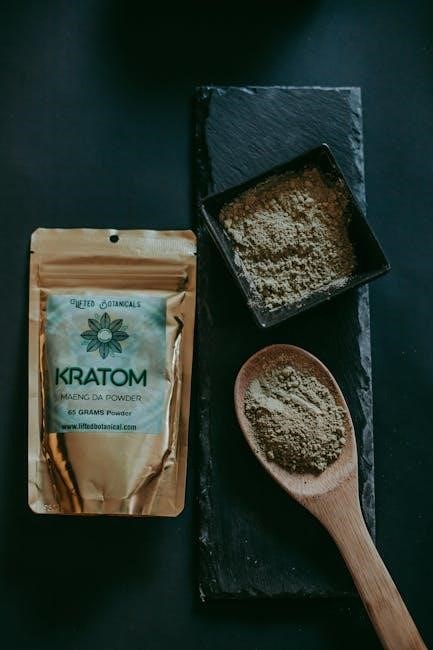
Forms of Kratom Available
Kratom presents in diverse forms – leaves for chewing or smoking, powders for mixing, extracts for potency, and convenient capsules or tablets for measured dosing․
Kratom Leaves: Fresh, Dried, and Crushed
Kratom leaves, in their natural state, represent the most traditional method of consumption․ Historically, individuals in Southeast Asia have chewed fresh kratom leaves directly, experiencing a milder, yet noticeable, effect due to the lower concentration of alkaloids․ This practice allows for a gradual onset and a shorter duration of effects․
However, access to fresh leaves outside of these regions is limited․ Consequently, dried kratom leaves are a more common alternative․ Drying concentrates the alkaloids, increasing potency․ These dried leaves can be further processed by crushing or powdering, facilitating easier preparation for teas or other infusions․
The quality of dried leaves can vary significantly depending on the harvesting and drying processes․ Proper drying is crucial to prevent mold growth and preserve the alkaloid content․ Crushed leaves offer a convenient option for those seeking a more traditional experience without the need for extensive preparation․ Ultimately, the choice between fresh, dried, or crushed leaves depends on availability, desired potency, and personal preference․
Kratom Powder: The Most Common Form
Kratom powder has emerged as the most widely accessible and frequently utilized form of this substance․ Produced by drying and finely grinding kratom leaves, the powder offers versatility and convenience for consumers․ Its popularity stems from its ease of dosage and incorporation into various consumption methods, including teas, capsules, or simply mixed with beverages․
The fineness of the powder impacts its dissolution rate and, consequently, the speed of onset of effects․ Different strains of kratom are available in powder form, each exhibiting a unique alkaloid profile and associated effects․ Consumers can choose from options like Maeng Da, Bali, or Indo kratom, based on their desired outcome – whether it be stimulation, pain relief, or relaxation․
However, quality control can be a concern with kratom powder, as variations in alkaloid content and potential contaminants exist․ Sourcing from reputable vendors who conduct third-party lab testing is crucial to ensure product purity and potency․
Kratom Extracts: Potency and Variations
Kratom extracts represent a concentrated form of the plant’s alkaloids, offering significantly higher potency compared to traditional leaf powder․ These extracts are created through processes that isolate and concentrate key compounds like mitragynine and 7-hydroxymitragynine, resulting in a more powerful effect with smaller doses․

Extracts come in various forms, including liquid extracts, tinctures, and resins, each differing in concentration and method of consumption․ Full-spectrum extracts retain a broader range of alkaloids, potentially offering a more balanced effect, while enhanced extracts focus on specific compounds for targeted outcomes․
Due to their increased potency, kratom extracts require careful dosage to avoid adverse effects․ Users should exercise extreme caution and start with very low doses, gradually increasing as needed․ The risk of dependence and withdrawal symptoms may also be heightened with extract use․
Kratom Capsules and Tablets: Convenience and Dosage
Kratom capsules and tablets offer a convenient and discreet method of consumption, particularly for those new to the substance or seeking precise dosage control․ Pre-measured doses within each capsule eliminate the need for weighing powder, simplifying the experience and reducing potential errors․
However, the bioavailability of kratom in capsule form may be slightly lower compared to powder, as the capsule shell needs to dissolve before absorption can occur․ Tablet forms may present similar considerations, and fillers used in manufacturing can also influence absorption rates․

Dosage recommendations for capsules and tablets vary depending on individual tolerance, desired effects, and the potency of the kratom used․ Starting with a low dose (e․g․, 1-2 capsules) is crucial, gradually increasing until the desired effect is achieved, while remaining mindful of potential side effects․

Potential Health Benefits of Kratom
Kratom is sought for potential benefits like pain relief, energy boosts, and mood enhancement, but self-medication carries risks and requires careful consideration․
Pain Relief: Mechanisms and Evidence
Kratom’s potential for pain relief is a primary driver of its increasing popularity, though the exact mechanisms are still under investigation․ It’s believed that mitragynine, a key alkaloid in kratom, interacts with opioid receptors in the brain, producing analgesic effects․ However, unlike traditional opioids, mitragynine appears to have a more nuanced interaction, potentially offering pain relief with a lower risk of respiratory depression – though this remains a subject of ongoing research․
Anecdotal evidence abounds, with users reporting relief from chronic pain conditions․ However, robust, scientifically controlled human studies are limited․ Existing research suggests kratom may be effective for managing neuropathic pain and fibromyalgia symptoms․ Further investigation is crucial to determine the efficacy of different kratom strains and dosages for specific pain types․ It’s important to note that while promising, kratom is not a guaranteed pain solution and carries its own set of potential risks and side effects․
Energy Boost and Mood Enhancement
Kratom is frequently sought for its stimulating effects, offering users an energy boost and improved mood․ At lower doses, mitragynine acts as a stimulant, increasing alertness and reducing fatigue․ This effect is attributed to its influence on neurotransmitters, potentially increasing dopamine and serotonin levels, which play crucial roles in mood regulation and motivation․
Many individuals report using kratom to combat lethargy, enhance focus, and improve overall well-being․ However, these effects are dose-dependent; higher doses tend to produce more sedative and analgesic effects․ It’s vital to understand that while kratom can provide a temporary lift in energy and mood, it’s not a substitute for addressing underlying issues like sleep deprivation or mental health concerns․ Responsible use and awareness of potential side effects are paramount when utilizing kratom for these purposes․
Anxiety and Depression: Self-Medication Concerns

Kratom is sometimes used by individuals attempting to self-medicate for anxiety and depression, drawn by its potential mood-altering effects․ While some users report temporary relief from symptoms, this practice raises significant concerns․ Relying on kratom to manage mental health conditions can mask underlying issues and delay seeking professional help, which is crucial for effective treatment․
The potential for dependence and withdrawal further complicates self-medication․ Stopping kratom abruptly can exacerbate anxiety and depressive symptoms, creating a cycle of use and withdrawal․ Furthermore, kratom’s effects are unpredictable and can vary significantly between individuals․ It’s essential to remember that kratom is not a clinically approved treatment for anxiety or depression and carries inherent risks when used for these purposes․ Professional mental healthcare is strongly advised․

Risks and Side Effects of Kratom Use
Kratom use presents cardiovascular, gastrointestinal, neurological, and psychiatric effects, including nausea, aggression, hallucinations, and potential liver damage, even leading to death in some cases․
Cardiovascular Effects: Heart Rate and Blood Pressure
Kratom’s impact on the cardiovascular system is a significant concern, as documented in recent health reviews․ The substance can demonstrably affect heart rate and blood pressure, though the nature of these effects appears dose-dependent and varies between individuals․ Lower doses may initially cause a slight increase in blood pressure, while higher doses have been linked to more pronounced and potentially dangerous cardiovascular consequences․
Case reports and narrative reviews highlight instances of tachycardia (rapid heartbeat) and hypertension (high blood pressure) associated with kratom use․ These effects can be particularly risky for individuals with pre-existing heart conditions․ Furthermore, the potential for arrhythmias – irregular heartbeats – cannot be discounted․ It’s crucial to acknowledge that the limited scientific research on human subjects makes it difficult to fully quantify these risks, but the available evidence suggests a clear need for caution․
Monitoring cardiovascular function is advisable for anyone considering or currently using kratom, especially those with underlying health issues․ The polysubstance use with other stimulants can exacerbate these effects, increasing the likelihood of adverse cardiovascular events․
Gastrointestinal Issues: Nausea, Constipation, and Vomiting
Kratom use is frequently associated with a range of gastrointestinal disturbances, presenting as common and often uncomfortable side effects․ Nausea is one of the most frequently reported symptoms, often occurring even with relatively small doses of the substance․ More significantly, kratom is known to induce constipation, which can become severe and persistent with regular use․
The mechanism behind these gastrointestinal effects is believed to involve kratom’s interaction with opioid receptors in the gut, slowing down digestive motility․ Vomiting, while less common than nausea and constipation, has also been reported, particularly with higher doses or in individuals sensitive to the substance․ These symptoms can significantly impact quality of life and may necessitate medical intervention․
It’s important to note that chronic constipation linked to kratom can lead to further complications, highlighting the need for awareness and cautious use․ Individuals experiencing these issues should consult a healthcare professional․
Neurological and Psychiatric Effects: Seizures, Hallucinations, and Psychosis
Kratom consumption carries potential for serious neurological and psychiatric adverse effects, ranging from mild disturbances to life-threatening events․ While less common, reports indicate that kratom use can trigger seizures, particularly in individuals with pre-existing seizure disorders or those using high doses․ More concerning are instances of hallucinations, where users experience perceptual distortions and altered realities․
In rare but severe cases, kratom has been linked to psychosis, a mental state characterized by a loss of contact with reality, delusions, and disorganized thinking․ These psychiatric effects are particularly alarming, as they can require immediate medical attention and potentially long-term treatment․
The underlying mechanisms are not fully understood, but likely involve kratom’s impact on neurotransmitter systems in the brain; Individuals with a history of mental health conditions should exercise extreme caution or avoid kratom altogether․
Liver Damage: Reported Cases and Concerns
Kratom use has been increasingly associated with reports of liver damage, raising significant concerns among healthcare professionals․ While not all users will experience liver issues, documented cases reveal a spectrum of problems, ranging from mild elevations in liver enzymes to more severe conditions like hepatitis and even acute liver failure․
The exact mechanisms causing this damage remain unclear, but potential factors include direct toxicity from kratom alkaloids, immune-mediated reactions, or the presence of contaminants in certain products․ Individuals with pre-existing liver conditions are particularly vulnerable․
Symptoms of kratom-induced liver damage can be subtle initially, including fatigue, jaundice, and abdominal pain․ Prompt medical evaluation is crucial if any of these symptoms develop․ Caution and awareness are vital when considering kratom use․

Kratom Dependence and Withdrawal
Kratom use can lead to physical dependence, requiring increasing doses for the same effect; abrupt cessation causes withdrawal symptoms like muscle aches and anxiety․
Physical Dependence and Tolerance
Kratom consumption can quickly lead to physical dependence, meaning the body adapts to its presence and requires it to function ‘normally’․ This isn’t simply psychological; physiological changes occur, creating a genuine need for the substance․ Over time, individuals often find they need to increase their dosage – this is known as tolerance․
Initially, a small amount of kratom might produce the desired effects, whether that’s increased energy, pain relief, or mood enhancement․ However, as tolerance develops, that same amount becomes less effective․ Users then increase the dose to achieve the original intensity, inadvertently accelerating the cycle of dependence․ This escalation can be dangerous, as higher doses are associated with a greater risk of adverse effects․
The development of dependence isn’t necessarily intentional; it’s a natural consequence of repeated kratom use․ Recognizing the signs of tolerance – needing more of the substance to achieve the same results – is crucial for preventing a full-blown dependence and potential withdrawal challenges․
Withdrawal Symptoms: Muscle Aches, Anxiety, and Insomnia
Kratom withdrawal can be a significantly unpleasant experience, manifesting in a range of physical and psychological symptoms․ Commonly reported are debilitating muscle aches, often described as widespread and intense․ These are frequently accompanied by heightened anxiety, ranging from mild nervousness to panic attacks, making it difficult to cope with daily life․
Sleep disturbances are also a hallmark of kratom withdrawal, with insomnia being a prevalent complaint․ Individuals may struggle to fall asleep, stay asleep, or experience restful sleep, leading to fatigue and irritability․ Beyond these core symptoms, mood swings, runny nose, diarrhea, and excessive sweating can also occur․
The severity and duration of withdrawal symptoms vary depending on factors like dosage, length of use, and individual physiology․ While rarely life-threatening, kratom withdrawal can be intensely uncomfortable and may require supportive care to manage effectively․
Managing Kratom Withdrawal
Kratom withdrawal, while challenging, can be managed with a combination of strategies focused on symptom relief and supportive care․ Staying well-hydrated is crucial, as is maintaining a nutritious diet to support the body’s recovery․ Over-the-counter pain relievers can help alleviate muscle aches, while anti-diarrheal medications may address gastrointestinal distress․
Addressing anxiety and insomnia often requires non-pharmacological approaches․ Relaxation techniques like deep breathing exercises, meditation, and yoga can promote calmness․ Establishing a regular sleep schedule and creating a relaxing bedtime routine are also beneficial․
Seeking support from healthcare professionals is highly recommended․ They can provide guidance, monitor progress, and, if necessary, prescribe medications to manage severe symptoms․ Gradual tapering, under medical supervision, can minimize withdrawal intensity․ Remember, patience and self-care are essential during this process․

Legal Status of Kratom
Kratom’s legality varies significantly, with state-by-state regulations and federal ambiguity creating a complex landscape; international laws also impose restrictions on its use․
State-by-State Regulations
Kratom’s legal standing within the United States is a patchwork, varying considerably from state to state․ Some states have explicitly banned kratom, classifying it as a controlled substance, effectively making its possession and sale illegal․ Other states have implemented regulations concerning its sale, distribution, and manufacturing, often focusing on age restrictions – typically 18 or 21 – and quality control measures․
These regulations may include requirements for labeling, testing for contaminants like heavy metals and salmonella, and restrictions on the types of products that can be sold․ Several states have enacted Kratom Consumer Protection Acts (KCPAs) designed to ensure product safety and prevent the sale of adulterated or mislabeled kratom․
Conversely, a significant number of states have no specific laws addressing kratom, leaving it in a legal gray area․ This lack of regulation can lead to inconsistencies in product quality and availability․ The dynamic nature of kratom legislation means that the legal status can change rapidly, requiring ongoing monitoring to stay informed․
Federal Legal Ambiguity

At the federal level, kratom’s legal status remains ambiguous, creating ongoing uncertainty for consumers and businesses․ It is not currently scheduled under the Controlled Substances Act, meaning it is not federally illegal to possess or sell․ However, the Drug Enforcement Administration (DEA) has expressed concerns about kratom’s potential for abuse and has previously considered scheduling it․
In 2016, the DEA attempted to place mitragynine, kratom’s primary alkaloid, into Schedule I, the most restrictive category, but faced significant public backlash and ultimately withdrew its proposal․ This highlights the contentious nature of the issue and the strong advocacy efforts on behalf of kratom consumers․
The Food and Drug Administration (FDA) has also weighed in, issuing warnings about the potential risks associated with kratom use and citing reports of adverse effects․ Despite these concerns, a federal ban remains unlikely in the near future, but the possibility of future regulation persists․
International Laws and Restrictions
Globally, kratom’s legal landscape is incredibly diverse, ranging from complete legality to outright prohibition․ Many countries have adopted restrictive measures due to concerns about public health and potential for abuse, mirroring some of the debates seen in the United States․
In Europe, several nations, including Denmark, Sweden, and Poland, have banned kratom․ Others, like the United Kingdom, allow possession but restrict its sale․ Across Asia, regulations vary significantly; Thailand, historically a region where kratom was traditionally used, has recently decriminalized it, while neighboring countries often maintain strict prohibitions․
Australia classifies kratom as a Schedule 9 prohibited substance in most states, making possession and sale illegal․ The differing international approaches reflect varying cultural perspectives, scientific understanding, and political considerations regarding this complex botanical substance․