
2024 24 Hours of Le Mans Spotters Guide: An Overview
The 92nd edition of this iconic race, held June 15-16, 2024, features 62 cars across Hypercar and LMGT3 classes, promising thrilling competition and unforgettable moments․
Welcome to the 92nd 24 Hours of Le Mans! This year’s race, steeped in a century of motorsport history, marks a significant milestone․ The 2024 edition, held from June 15th to 16th at the Circuit de la Sarthe, promises a spectacular display of endurance, strategy, and cutting-edge automotive technology․
Following Ferrari’s triumphant return to victory in 2023 – their first win in 58 years – anticipation is incredibly high․ A star-studded driver lineup, including numerous former Formula 1 racers, and the arrival of four new prominent teams, elevate the stakes․ With 62 entries spanning the Hypercar and LMGT3 classes, this race is poised to be an unforgettable spectacle for both seasoned enthusiasts and newcomers alike․ Prepare for a thrilling battle!
Historical Significance of the 2024 Race
The 2024 race holds immense historical weight, occurring just one year after Ferrari’s momentous victory in 2023 – ending a 58-year drought․ This win coincided with the 100th anniversary of the first race, making it a truly remarkable occasion․ Le Mans has always been a proving ground for automotive innovation, pushing manufacturers to their limits․
The 92nd edition continues this legacy, showcasing the latest advancements in hybrid technology within the Hypercar class․ The event’s enduring appeal lies in its unique blend of speed, endurance, and strategic complexity․ Witnessing the competition unfold at the Circuit de la Sarthe connects fans to a rich motorsport heritage, a tradition of pushing boundaries and celebrating engineering excellence․
The Circuit de la Sarthe: A Detailed Look
The Circuit de la Sarthe is a demanding 8․469-mile (13․629 km) track, combining public roads and dedicated racing sections․ Its signature feature is the lengthy Mulsanne Straight, historically a high-speed challenge, now tempered by chicanes․ Porsche Curves and Arnage present tricky, high-speed corners requiring precision and bravery from drivers․
The track’s unique layout demands a versatile car setup, balancing aerodynamic efficiency for the straights with mechanical grip for the corners․ Mastering the circuit requires not only speed but also strategic tire and fuel management over the 24-hour duration․ Understanding the nuances of each sector is crucial for success at Le Mans․
The Hypercar (LMP1) Class
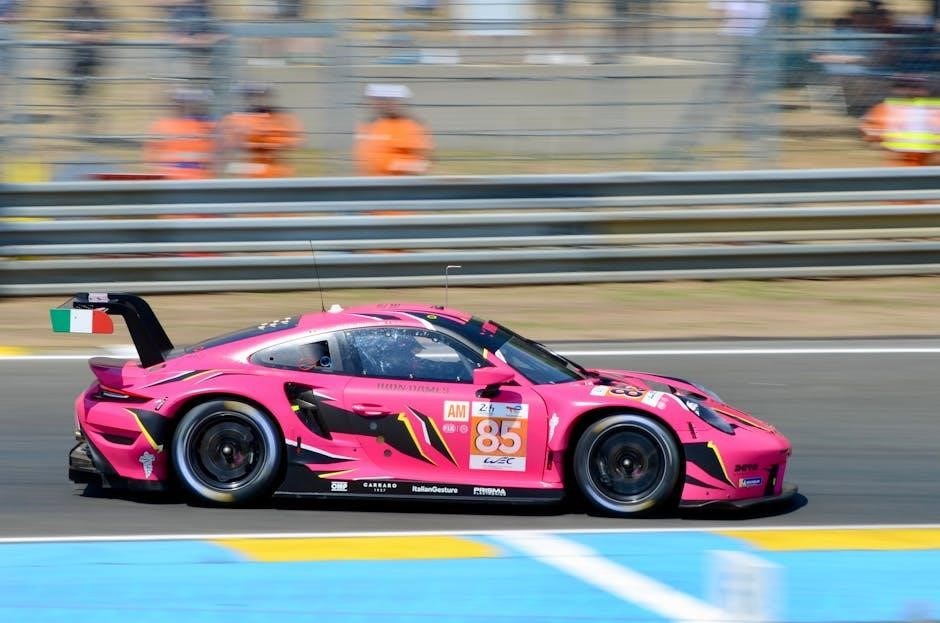
Hypercar represents the pinnacle of endurance racing, featuring innovative technology and powerful machines from manufacturers like Ferrari, Porsche, Cadillac, Toyota, Alpine, and BMW․
Ferrari 499P: The Defending Champions
Returning as favorites, Ferrari aims to repeat their historic 2023 victory – their first in 58 years – with the 499P․ This triumph marked a significant milestone for the Italian marque, celebrated during the race’s centennial year․ The No․ 50 Ferrari, driven by a stellar lineup, will undoubtedly be a focal point․
Spotters should look for the iconic scarlet red livery, a symbol of Ferrari’s racing heritage․ Expect intense competition as they defend their crown against formidable rivals․ The team’s success hinges on maintaining reliability and strategic prowess throughout the grueling 24-hour race, building upon last year’s momentum․
Porsche Penske Motorsport: Contenders for the Crown
Porsche enters 2024 with a powerhouse partnership – Penske Motorsport – aiming to challenge Ferrari’s dominance․ This collaboration brings significant expertise and resources to the German manufacturer’s Hypercar effort․ Expect a highly competitive presence from Porsche, leveraging advanced technology and a seasoned driver roster․
Spotters should identify the Porsche 963 cars by their distinctive white, red, and black livery․ The team experienced setbacks in 2023, including incidents impacting their race, but they’ve regrouped․ Their strategy will focus on maximizing performance and minimizing errors, seeking a podium finish and potentially the overall victory․
Cadillac Racing: American Challenge
Cadillac Racing represents a strong American presence in the Hypercar class, fielding two V-Series․R entries․ They aim to build upon their 2024 performance and challenge the established European manufacturers․ Spotters can easily recognize the Cadillacs by their bold, black and yellow color scheme, a signature of the brand’s racing heritage․
The team faced challenges in the previous race, including a spin that hampered their progress, but demonstrated competitive pace․ Expect Cadillac to focus on reliability and strategic pit stops; Their driver lineups combine experienced endurance racers with rising stars, creating a formidable force on the Circuit de la Sarthe․
Toyota Gazoo Racing: Seeking Redemption
Toyota Gazoo Racing, a dominant force in recent years, enters 2024 determined to reclaim the top spot after a challenging previous race․ Spotters should look for the distinctive white, red, and black livery of the GR010 HYPER CAR․ The team boasts a wealth of experience and a proven track record in endurance racing, making them perennial contenders․
Despite facing setbacks, including punctures, Toyota demonstrated strong pace and strategic adaptability․ Expect them to leverage their engineering expertise and driver talent to mount a serious challenge․ Their focus will be on maximizing efficiency and minimizing errors throughout the grueling 24-hour race․
Alpine Endurance Team: French Hope
Alpine Endurance Team carries the hopes of a nation, aiming to deliver a strong performance on home soil at Le Mans in 2024․ Spotters should identify their striking blue and white A424 HYPERCAR, representing a significant step for the French manufacturer․ The team is building momentum and seeking to establish itself as a consistent frontrunner in the Hypercar class․
While facing stiff competition, Alpine benefits from a dedicated team and ambitious development program․ Expect them to push the boundaries of innovation and demonstrate resilience throughout the race․ Their strategy will likely focus on maximizing reliability and capitalizing on opportunities as they arise․
BMW M Team WRT: New to the Hypercar Scene
BMW M Team WRT enters the Hypercar class as a notable newcomer in 2024, bringing significant experience from GT racing․ Spotters should look for their distinctive BMW M Hybrid V8, sporting the iconic BMW M livery; This marks BMW’s return to the top tier of endurance racing, generating considerable excitement among fans․
The team, renowned for its operational excellence, faces a steep learning curve adapting to the complexities of Hypercar technology․ Expect a focused approach on gathering data and building a solid foundation for future success․ Their performance will be closely watched as they navigate this challenging new landscape․

The LMGT3 Class
LMGT3 showcases thrilling GT racing with 18 cars from manufacturers like Aston Martin, Corvette, and Porsche, promising intense battles and strategic racing action․
Aston Martin Racing: A Strong GT Presence
Aston Martin returns to Le Mans with a formidable presence in the LMGT3 class, aiming to leverage their extensive GT racing experience for a competitive edge․ The team boasts a rich history at the Circuit de la Sarthe, consistently demonstrating pace and reliability․ Expect to see meticulously prepared Vantage GT3 cars sporting the iconic Aston Martin Racing livery, easily identifiable by its vibrant green and yellow color scheme․
Their driver lineups are a blend of seasoned professionals and rising stars, promising strategic depth and consistent performance throughout the 24 hours․ Aston Martin’s engineering prowess and dedication to performance make them a key contender to watch in the highly competitive LMGT3 field, potentially challenging for a podium finish․
Corvette Racing: American GT Powerhouse
Corvette Racing arrives at Le Mans as a perennial force in GT racing, bringing decades of experience and a relentless pursuit of victory to the LMGT3 class․ Instantly recognizable by their signature yellow livery, the Corvettes are a symbol of American motorsport engineering and determination․ The team’s legacy includes numerous class wins and a reputation for flawless execution under pressure․
Expect a highly professional operation with a driver roster comprised of proven endurance racers and rising talents․ Corvette’s commitment to innovation and strategic racecraft positions them as a top contender, capable of challenging for the LMGT3 crown and adding another chapter to their illustrious Le Mans history․
Manthey Purex Racing: Porsche’s GT Experts
Manthey Purex Racing represents Porsche’s formidable GT expertise, entering the LMGT3 class as a clear favorite․ Renowned for their meticulous preparation and strategic brilliance, Manthey has a long and successful history in GT racing, including multiple victories at the Nürburgring 24 Hours․ Their distinctive green and yellow livery is instantly recognizable to motorsport fans worldwide․
Expect a highly competitive team fielding experienced Porsche GT drivers, focused on maximizing performance and consistency throughout the 24-hour race․ Manthey’s dedication to data analysis and precise pit stops will be crucial in their quest for LMGT3 glory, making them a team to watch closely․
AF Corse: Ferrari’s GT Representation
AF Corse proudly carries the Ferrari banner in the LMGT3 class, boasting a rich heritage and a proven track record in GT racing․ This Italian powerhouse is synonymous with Ferrari’s success, having secured numerous championships and race wins across various GT series globally․ Their iconic red and black color scheme is a symbol of Ferrari’s racing pedigree․
AF Corse will field a strong driver lineup, combining experienced professionals with rising stars, all aiming to deliver a competitive performance at Le Mans․ Expect a relentless pursuit of speed and precision, leveraging Ferrari’s engineering prowess and AF Corse’s operational excellence․
Woking Alpine Team: McLaren’s LMGT3 Entry
Woking Alpine Team marks McLaren’s highly anticipated return to the 24 Hours of Le Mans in the competitive LMGT3 class․ This collaboration blends McLaren’s innovative automotive technology with Alpine’s endurance racing expertise, creating a formidable force on the track․ Expect a striking livery showcasing the partnership between these two iconic brands․
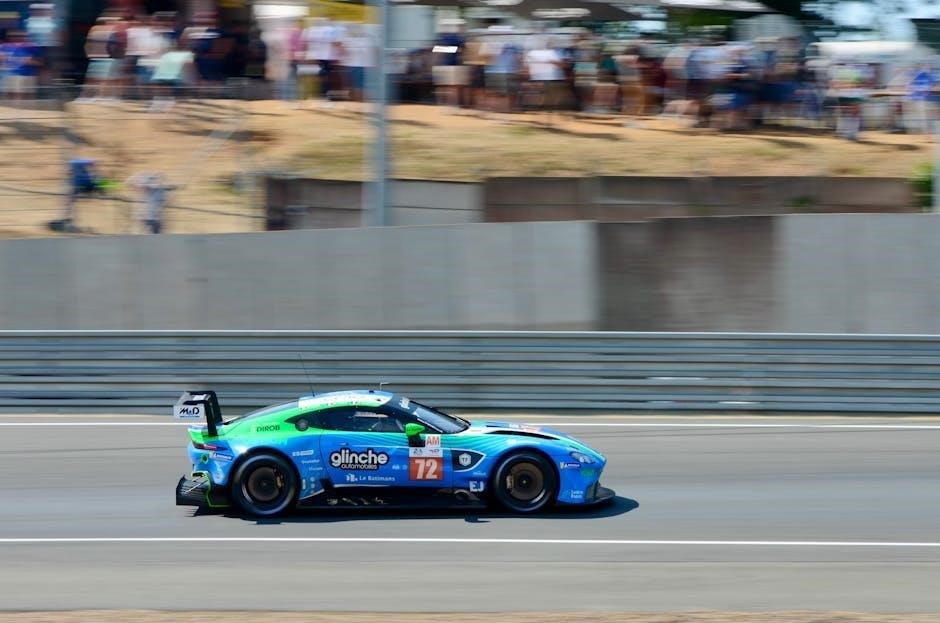
The team will field the McLaren 720S GT3 EVO, a proven performer known for its speed, reliability, and driver-friendly handling․ A skilled driver roster, combining McLaren factory drivers with experienced endurance racers, will aim to challenge for a podium finish in this demanding race․
Key Drivers to Watch in 2024
This year’s race boasts 16 former Formula 1 drivers, including Robert Kubica, alongside seasoned endurance professionals and exciting rising stars—a truly exceptional lineup!
Former Formula 1 Drivers Participating
The 2024 24 Hours of Le Mans entry list is remarkably stacked with ex-Formula 1 talent, adding a significant layer of intrigue and competitive edge to the race․ A total of sixteen drivers who have competed in Formula 1 are set to take the start, bringing with them a wealth of experience and skill․ Notable names include Robert Kubica, a race winner in F1, who will be looking to make his mark in endurance racing․
These drivers transition their single-seater expertise to the challenges of multi-driver lineups, varying track conditions, and strategic pit stops․ Their presence elevates the spectacle and provides compelling storylines as they adapt to the unique demands of the 24-hour format․ Fans can anticipate thrilling battles and strategic masterclasses from these seasoned professionals․
Experienced Endurance Racing Professionals
Beyond the Formula 1 stars, the 2024 Le Mans grid boasts a formidable roster of seasoned endurance racing professionals․ These drivers represent the backbone of the sport, possessing an intimate understanding of the Circuit de la Sarthe and the nuances of 24-hour racing․ They excel in consistency, tire management, and strategic teamwork – crucial elements for success․
Drivers like those with multiple Le Mans starts and victories bring invaluable experience to their respective teams, guiding younger teammates and making critical decisions under pressure․ Their ability to navigate traffic, adapt to changing conditions, and maintain pace over extended periods is unparalleled, making them key contenders for the overall win․
Rising Stars in the 2024 Lineup
The 2024 race features a compelling influx of emerging talent poised to make their mark at Le Mans․ These drivers, often transitioning from successful junior formulas, bring youthful energy and aggressive driving styles to the grid․ Many are backed by prominent manufacturer programs, signaling their potential for future stardom within the sport․
Keep an eye on drivers demonstrating exceptional pace during qualifying and practice sessions; they could disrupt the established order․ Their adaptability and willingness to push boundaries will be tested throughout the grueling 24 hours, offering exciting opportunities for breakthrough performances and potentially challenging the veterans․

Race Weekend Schedule
The action unfolds over several days, beginning with qualifying to set the grid, followed by a warm-up, culminating in the intense 24-hour race start on June 15th․
Qualifying Sessions: Determining the Grid
Qualifying is crucial for establishing the starting grid, a multi-stage process unfolding throughout Thursday and Friday before the race․ These sessions aren’t simply about raw speed; strategy plays a vital role․ Teams aim to set a representative lap time while conserving tires and engine life, balancing performance with reliability․
Hypercar and LMGT3 classes have separate qualifying sessions․ The fastest lap from each driver in each car contributes to the overall qualifying time․ The top six cars in the Hypercar class then enter a dedicated ‘Hyperpole’ shootout on Friday evening, determining the first six positions on the grid․ This intense session provides a thrilling preview of the race’s potential frontrunners, showcasing the ultimate pace of each machine․
Warm-Up Session: Final Preparations
The warm-up session, held Saturday morning before the 24-hour race, is a final opportunity for teams to verify car performance and make last-minute adjustments․ It’s not about setting fast lap times, but rather a systems check under race conditions․ Teams will run through pit stop procedures, confirm brake performance, and assess tire behavior with the expected race-day temperatures․
Drivers use this session to re-familiarize themselves with the track and traffic, crucial for the demanding race ahead․ Any minor repairs or component changes can be addressed before the green flag․ It’s a relatively low-key affair, but a vital component of race preparation, ensuring everything is optimized for the grueling 24 hours․
The 24-Hour Race Start and Key Moments
The race begins with a traditional rolling start, cars forming up behind the safety car before the green flag waves at 16:00 CET on Saturday․ The initial laps are often chaotic as drivers jostle for position, and the first pit stops usually occur within the first hour․ Nightfall brings a significant shift in strategy, with cooler temperatures impacting tire choices and visibility․
Key moments include the transitions between day and night, safety car periods (which can dramatically reshuffle the order), and the final hours as teams push for the win․ Expect intense battles in both the Hypercar and LMGT3 classes, with driver fatigue and mechanical reliability playing crucial roles in the outcome․

Spotting Tips & Tools
Utilize car liveries, driver helmet designs, and timing screens effectively; race apps provide real-time data for tracking the 62 competing cars throughout the event․
Car Liveries and Identification
Distinguishing cars during the 24 Hours of Le Mans requires a keen eye for detail, as numerous teams and manufacturers compete․ Each Hypercar and LMGT3 entry boasts a unique livery, often reflecting sponsor branding and team identity․ Ferrari’s striking red is instantly recognizable, while Cadillac Racing typically features bold color schemes․ Porsche Penske Motorsport utilizes a mix of traditional and modern designs․
Pay attention to the base color and any prominent stripes, patterns, or logos․ LMGT3 cars, representing various manufacturers like Aston Martin, Corvette, and McLaren, also showcase distinct liveries․ Observing these visual cues is crucial for quickly identifying cars during on-track action and pit stops, especially with 62 entries vying for position․
Driver Helmet Designs
Beyond car liveries, driver helmet designs offer another valuable identification method during the 24 Hours of Le Mans․ Each driver personalizes their helmet with unique colors, patterns, and graphics, often reflecting their national flag, personal branding, or racing history․ These designs are highly individual and can be a quick way to spot your favorite drivers from a distance․
Many drivers maintain consistent helmet designs throughout their careers, while others introduce special editions for significant races like Le Mans․ Websites and race apps often provide galleries of driver helmet designs, aiding in pre-race familiarization․ Recognizing these intricate details enhances the viewing experience and allows for focused driver tracking throughout the 24-hour event․
Using Timing Screens and Race Apps
Essential tools for any Le Mans spotter are the numerous timing screens strategically placed around the Circuit de la Sarthe and dedicated race applications for smartphones and tablets․ These resources provide real-time information on car positions, lap times, sector times, and pit stop data, crucial for following the race’s dynamic flow․
Official race apps often feature live streaming, driver tracking maps, and detailed car information, enhancing the spectator experience․ Learning to interpret the timing data – understanding gaps between cars, identifying fast laps, and monitoring pit strategy – elevates your spotting skills․ Utilize these tools to predict overtaking maneuvers and anticipate key moments during the 24 hours․
Team Strategies and Pit Stops
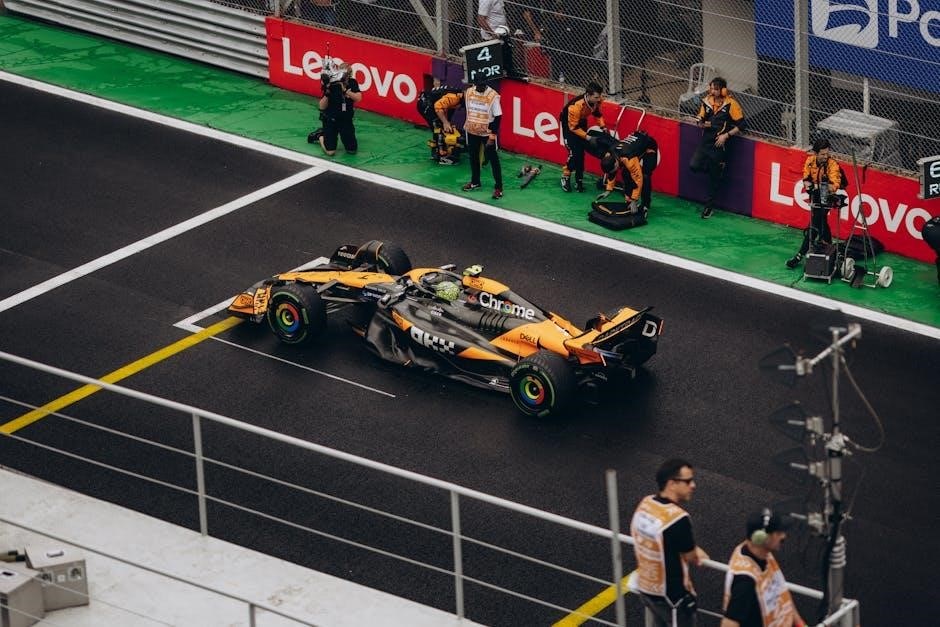
Successful teams meticulously manage fuel, tires, and driver rotations, adapting to safety car periods and unpredictable weather to maximize performance throughout the grueling race․
Fuel and Tire Management
Strategic fuel conservation is paramount at Le Mans, demanding precise calculations and efficient driving to minimize pit stop frequency․ Teams balance speed with economy, utilizing fuel-saving techniques when possible․ Tire choice is equally critical, influenced by track temperature, weather conditions, and the car’s performance characteristics․ Michelin is the sole tire supplier, offering a range of compounds to suit varying needs․ Effective tire management extends stint lengths, reducing time lost in the pits, and maintaining consistent lap times․ Monitoring tire degradation is crucial, as worn tires significantly impact grip and performance, potentially leading to incidents․ Teams carefully analyze data to optimize tire strategy and ensure they are utilizing the correct compounds at the right time, maximizing their overall race pace and reliability․
Driver Rotation Tactics
Strategic driver rotations are fundamental to 24-hour endurance racing, ensuring each driver remains fresh and focused throughout the grueling event․ Teams meticulously plan rotation schedules, considering driver strengths, experience, and fatigue levels․ Optimal rotation timing minimizes time loss during pit stops, while maximizing driver performance․ Double-stinting drivers – having them complete two consecutive stints – can be employed to streamline pit stop procedures, but requires exceptional stamina․ Adapting to changing conditions is key; a driver excelling in the wet might be prioritized during rainfall․ Smooth handovers are vital, avoiding time penalties and maintaining momentum․ Effective driver management is crucial for consistent lap times and overall race success․
Dealing with Safety Car Periods
Safety car interventions are inevitable at Le Mans, dramatically altering race dynamics․ Teams must react swiftly, capitalizing on opportunities to close gaps or make strategic pit stops․ Pit lane timing becomes critical; entering the pits just before a safety car deployment can yield significant advantages․ Track position is also key, as cars bunch up behind the safety car, negating previous time losses․ Fuel and tire strategy often gets revised, aiming to maximize track time during green flag periods․ Maintaining driver focus is paramount, as pace can fluctuate wildly․ Successfully navigating safety car periods requires quick thinking, precise execution, and a bit of luck․

Weather Considerations for the Race
Rain significantly impacts strategy, favoring teams prepared for wet conditions with appropriate tire choices and adjustments to driving styles for optimal performance․
Impact of Rain on Race Strategy
Rain at Le Mans dramatically reshapes race strategy, forcing teams to swiftly adapt․ Tire selection becomes paramount, shifting from slick tires for dry conditions to wet or intermediate compounds as precipitation increases․ This necessitates carefully timed pit stops to capitalize on changing conditions and maintain track position․
Safety car periods are more frequent in wet weather, bunching up the field and potentially erasing hard-earned leads․ Teams must anticipate these interventions and optimize their pit stop timing accordingly․ Furthermore, driver skill in wet conditions becomes a critical factor, as maintaining control and minimizing errors are essential for survival and success․ A well-executed strategy, combined with adept driving, can turn a challenging wet race into a significant opportunity․
Temperature and Tire Choice
Track temperature significantly influences tire performance at Le Mans․ Higher temperatures demand harder tire compounds to prevent excessive wear and maintain grip, while cooler conditions favor softer compounds for increased mechanical grip․ Teams meticulously monitor temperature fluctuations throughout the 24 hours, adjusting their tire strategy accordingly․
The Circuit de la Sarthe experiences wide temperature swings, particularly between day and night․ This necessitates a diverse tire allocation, allowing teams to adapt to changing conditions․ Careful tire management is crucial, balancing performance with durability to minimize pit stops and maximize track time․ Selecting the optimal tire compound is a delicate balancing act, requiring precise data analysis and strategic foresight․

Notable Changes for the 2024 Race
Updated regulations for both Hypercar and LMGT3 classes, alongside new teams and driver lineups, create a dynamic and unpredictable racing environment for the 2024 event․
Updated Regulations for Hypercar and LMGT3
For 2024, the Hypercar class continues to evolve, focusing on balancing performance between manufacturers and promoting innovative technology․ Regulations aim to control costs while maintaining the spectacle of top-tier endurance racing․ In LMGT3, a significant shift occurred with the introduction of new homologation rules, allowing for a broader range of GT3 cars to compete․
This change brought increased manufacturer participation and a more diverse field․ The BoP (Balance of Performance) adjustments will be crucial throughout the race weekend, ensuring fair competition․ Teams must adapt quickly to these evolving regulations, optimizing their strategies and car setups․ These updates promise closer racing and increased strategic complexity for all involved, adding another layer of excitement to the 24 Hours of Le Mans․
New Teams and Driver Lineups
The 2024 race welcomes several new teams to the grid, injecting fresh competition into both Hypercar and LMGT3․ Notably, BMW M Team WRT enters the Hypercar scene, bringing significant experience from GT racing․ Several driver pairings have been reshuffled, creating exciting new dynamics within established teams․ A remarkable 186 drivers are set to compete, including 16 former Formula 1 racers, adding star power to the event․
These additions promise unpredictable racing and strategic battles․ The influx of talent and new perspectives will undoubtedly shake up the established order, making the 2024 edition particularly captivating for fans and observers alike․ Keep an eye on these newcomers as they challenge the veterans․