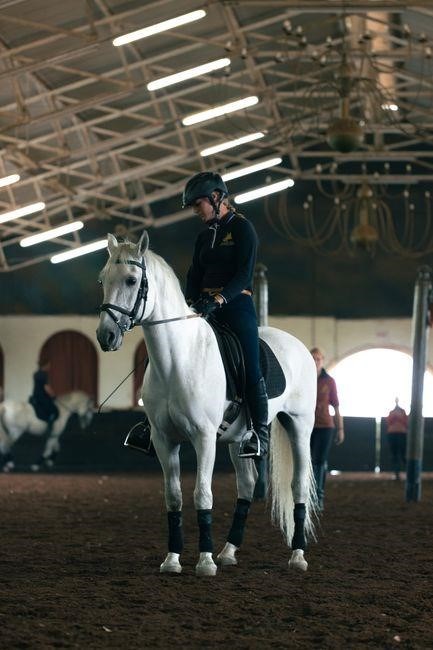
Overview of the USDF Intro C Dressage Test
The USDF Intro C Dressage Test, released for the 2024 season, offers riders new to dressage a structured progression through walk, trot, and canter movements. The test emphasizes correct rhythm, balance, and transitions, preparing competitors for higher-level USEF tests. Download PDF via USDF portal.!!
PDF Download Locations and Formats
Official USDF site hosts the Intro C PDF: Download. Third‑party repositories offer the same file in PDF, TXT, and online view. Use the USDF link for the most current version; alternate sites may lag behind updates. files are available in and TXT formats.
Official USDF Website Download Link
To obtain the most accurate and up‑to‑date version of the Intro C Dressage Test, visit the United States Dressage Federation’s official portal. The PDF is located under the “Documents” section, directly accessible via the following URL: https://www.usdf.org/intro-c-dressage-test-2024.pdf. The file is 1.2 MB, fully searchable, and includes all movement sequences, directive ideas, and scoring rubrics as outlined in the 2024 rulebook. Downloading from the primary source guarantees that any recent amendments—such as updated phrasing for the trot or revised penalties for the canter—are reflected. The site also offers a printable version in high‑resolution PDF, a text file for quick reference, and an online viewer that allows you to scroll through each movement with embedded commentary. For users who prefer a mobile experience, the USDF app hosts the same document and provides offline access. If you encounter any issues during the download, the “Help” section on the site offers step‑by‑step troubleshooting, including how to verify the file’s integrity via the provided checksum. Additionally, the USDF maintains a monthly newsletter that highlights any changes to the Intro C test, so subscribing ensures you remain current. Finally, the portal’s “FAQs” section clarifies common questions such as “Can I use the PDF for a private training session?” and “Is the file compatible with all PDF readers?” By downloading directly from the USDF website, riders, coaches, and judges can rest assured they are working with the official, authoritative version of the Intro C Dressage Test.
Third-Party PDF Repositories
While the USDF’s official site is the primary source, several reputable third‑party repositories host the Intro C Dressage Test PDF, often with additional resources such as annotated commentaries, printable worksheets, and video demonstrations. Popular platforms include:
- DressageCentral.com – Offers a free download of the 2024 Intro C PDF, along with a companion PDF of the 2024 Intro B test for comparative study. The site also hosts a forum where riders discuss nuances of the walk and canter sequences.
- EquineDocs.org – Provides a searchable PDF that can be filtered by movement type. Users can download the file in both PDF and DOCX formats, facilitating quick edits for training plans.
- RiderHub.net – Hosts a curated collection of USDF test PDFs, including the Intro C test. The platform offers a “quick‑look” viewer that highlights key scoring criteria, and a download button that preserves the original formatting.
- Google Drive Shared Folders – Several equestrian clubs share the 2024 Intro C PDF in protected Google Drive folders. Access typically requires a club membership or a direct invitation from the folder owner.
When using third‑party links, verify that the file matches the official version by checking the document title, the date stamp, and the USDF logo. Some repositories may host older editions (e.g., 2023) or unofficial translations that omit recent rule changes. Always cross‑reference with the official USDF download to ensure compliance with the current scoring rubric and penalty structure. Additionally, many of these sites offer a “download history” feature, allowing you to see when the PDF was last updated, which is useful for confirming that you have the latest 2024 edition.
The Intro C test comprises a walk, trot, and canter sequence. The walk includes a flat walk, a medium walk, and a 20‑meter circle. The trot features a working trot, a trot in circles, and a trot on the hind legs. The canter sequence has a working canter, a canter in circles, and a halt through the walk.
Walk Sequence and Requirements
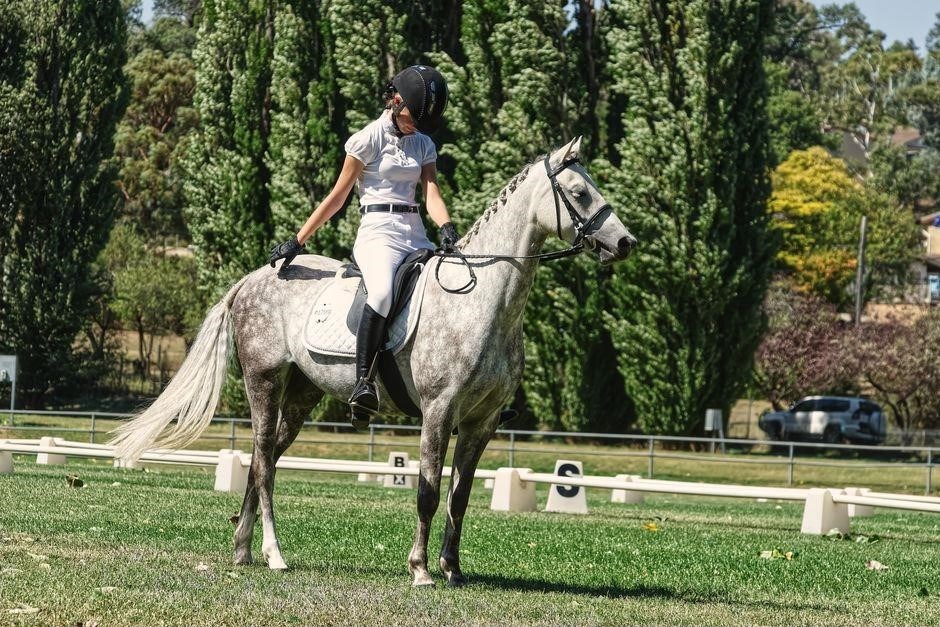
The Intro C walk sequence begins with a free walk, followed by a medium walk, a flat walk, and a 20‑meter circle. The horse must maintain a steady tempo and clear rhythm throughout. The walk requires correct collection, balance, and lateral work, with attention to the correct placement of the hind legs and proper extension of the forehand. Judges assess the horse’s ability to maintain a consistent pace, the rider’s aids, and the overall harmony between horse and rider. The walk also includes a halt through the walk, demanding precise control and a clear, balanced position. The sequence tests the horse’s responsiveness to subtle aids and its ability to perform the required movements with correct timing and rhythm. The walk is designed to develop the horse’s basic dressage skills, ensuring a solid foundation for the trot and canter sequences that follow. The test emphasizes correct posture, balance, and the ability to execute the walk with fluidity and precision, preparing the horse for higher-level tests. The walk is scored on quality, rhythm, and the horse’s ability to maintain correct posture and balance. Penalties are applied for errors such as loss of rhythm, incorrect placement, or lack of collection. The walk sequence is a critical component of the Intro C test, providing a foundation for the rider’s progression in dressage. The walk is a key element in the USDF Intro C test, ensuring that the horse and rider are ready for the next level of dressage competition. The walk sequence is essential for building confidence and skill in the horse, and for developing the rider’s ability to communicate effectively with the horse. The walk sequence builds skills, ensuring readiness for higher tests!!
Trot Sequence and Requirements
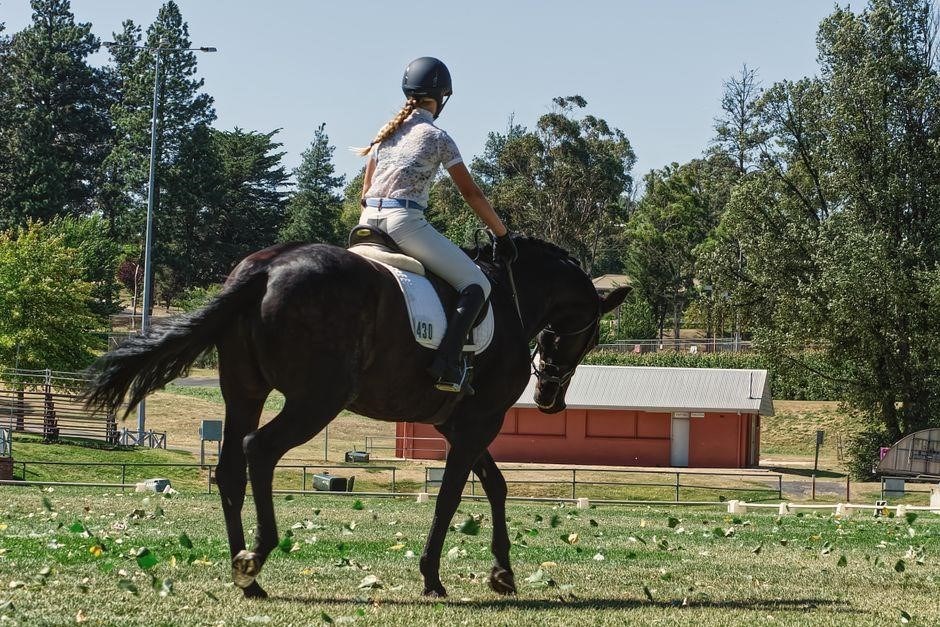
The Intro C trot sequence starts with a working trot, followed by a trot in circles, a half‑turn, and a working canter. The horse must exhibit a clear, steady rhythm, correct collection, and balanced lateral work. Riders are required to maintain a consistent tempo, use subtle aids, and ensure the horse’s hind legs are correctly placed. Judges evaluate the quality of the trot, the horse’s ability to maintain balance, and the rider’s control. Penalties are applied for loss of rhythm, lack of collection, or improper placement. The sequence emphasizes the horse’s responsiveness to aids, the rider’s communication, and the overall harmony between horse and rider. This section of the test builds the foundation for the canter sequence, ensuring the horse is prepared for higher‑level dressage tests. The trot sequence is a critical component of the Intro C test, providing a structured progression that develops the horse’s athleticism and the rider’s skill. The test requires precise timing, correct posture, and a clear, balanced performance, with judges scoring each movement for quality, rhythm, and collection. The trot sequence is essential for building confidence and skill in the horse, and for developing the rider’s ability to communicate effectively with the horse. The trot sequence builds skills, ensuring readiness for higher tests!!
Canter Sequence and Requirements
The Intro C canter sequence tests the horse’s ability to perform a working canter, a canter in circles, a half‑turn, and a working walk. It starts with a working canter that requires the horse to exhibit a clear, collected rhythm and correct placement of the hind legs. The rider must maintain a steady tempo, use subtle aids, and ensure the horse’s hind legs are correctly positioned. Judges evaluate the quality of the canter, the horse’s ability to maintain balance, and the rider’s control. Penalties are applied for loss of rhythm, lack of collection, or improper placement. The sequence emphasizes the horse’s responsiveness to aids, the rider’s communication, and the overall harmony between horse and rider. The canter sequence is a critical component of the Intro C test, providing a structured progression that develops the horse’s athleticism and the rider’s skill. The test requires precise timing, correct posture, and a clear, balanced performance, with judges scoring each movement for quality, rhythm, and collection. The canter sequence builds skills, ensuring readiness for higher tests, and reinforces the fundamentals of dressage, including correct transitions, balance, and rhythm. The sequence also includes a working walk at the end to demonstrate the horse’s ability to transition smoothly from canter to walk, maintaining balance and rhythm throughout the test. This final walk is essential for demonstrating the horse’s overall training and the rider’s ability to maintain control and balance across all gaits. The canter sequence is essential for building confidence and skill in the horse, and for developing the rider’s ability to communicate effectively with the horse. The sequence is designed to prepare the horse for higher-level dressage tests, ensuring a smooth transition to more advanced requirements. The canter sequence is a key component of the Intro C test, providing a structured progression that develops the horse’s athleticism and the rider’s skill, and ensuring a solid foundation for future dressage competitions. The test also encourages riders to refine their aids and to develop a deeper understanding of the horse’s movement, fostering a partnership that will serve them well in subsequent competitions. Additionally, the test’s structure allows judges to assess the horse’s consistency across all gaits, ensuring that each movement meets the high standards set by the USDF for introductory dressage. All these elements combine to create a comprehensive assessment that prepares both horse and rider for the next level. Riders should focus on maintaining a relaxed yet engaged posture, ensuring the horse remains responsive cues.
Scoring Guidelines and Penalties
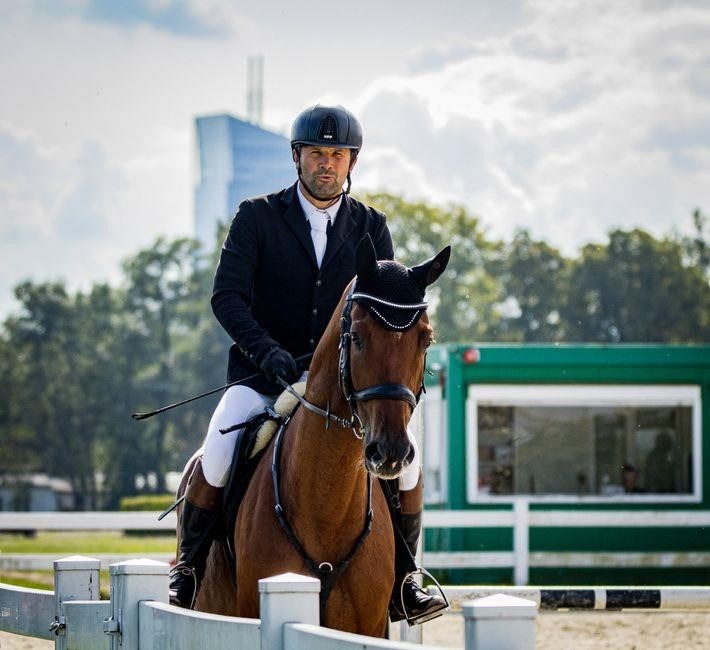
Scoring for the Intro C test follows the USDF’s standard rubric, with each movement evaluated on quality, rhythm, collection, and the rider’s aids. Judges award marks from 0 to 10 for each element, then calculate a total score by adding the individual marks and applying the collective marks for the walk, trot, and canter sequences. The overall score is the sum of the three sequences, divided by the maximum possible score, and expressed as a percentage. Penalties are applied for errors of course, such as loss of rhythm, lack of collection, or improper placement of the hind legs. A 0.5‑point deduction is applied for a single error, while repeated mistakes can result in a 1‑point deduction per occurrence. Additional penalties include a 0.5‑point deduction for a missed transition, a 1‑point deduction for a lost rhythm, and a 2‑point deduction for a major fault such as a refusal or a fall. The test also imposes a 0.5‑point penalty for an improper canter in circles, and a 1‑point penalty for a half‑turn performed incorrectly. Judges must document each deduction in the score sheet, and the rider may appeal a penalty if it is deemed unjust. The USDF emphasizes fairness and consistency, encouraging judges to use the same criteria across all competitions. Riders should focus on maintaining a clear rhythm, correct posture, and smooth transitions to minimize penalties and maximize their score. Enjoy.Ok
Recommended Scheduling and Arena Setup
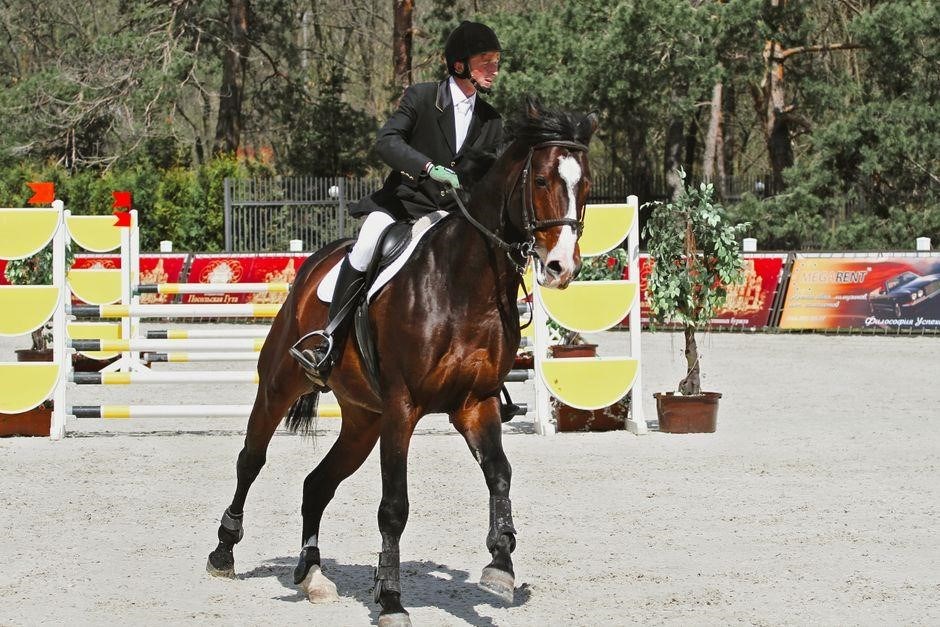
For Intro C competitions, the USDF recommends a 6‑hour schedule in a standard arena and a 5‑hour schedule in a small arena, allowing ample time for warm‑ups, walk, trot, and canter sequences. The arena should be 20 m wide by 40 m long, with a flat, firm surface and clear, non‑reflective footing. Markings must follow the 2024 USDF guidelines: a 2‑m wide walk area, a 3‑m trot zone, and a 4‑m canter circle. The arena must have a 2‑m wide perimeter for safety, and the judge’s station should be positioned at a 45‑degree angle to the walk line. Lighting should be uniform, and the arena must be free of debris and obstructions. Riders are advised to arrive 30 minutes early for a briefing, and to use the 10‑minute interval between sequences for rest and equipment checks. The schedule allows judges to score each movement accurately while maintaining a steady rhythm for the competitors. The setup ensures a fair, safe, and efficient competition environment for all participants. The PDF download includes a detailed arena diagram and timing chart for reference. The USDF also suggests using a 1‑m wide safety zone beyond the walk line, a 2‑m wide trot zone, and a 3‑m wide canter zone to accommodate the horse’s natural stride. The arena should have a 2‑m wide perimeter for safety, and the judge’s station should be positioned at a 45‑degree angle to the walk line. The arena must have a 2‑m wide perimeter for safety, and the judge’s station should be positioned at a 45‑degree angle to the walk line. The arena must be free of debris and obstructions. Riders are advised to arrive 30 minutes early for a briefing, and to use the 10‑minute interval between sequences for rest and equipment checks. The schedule allows judges to score each movement accurately while maintaining a steady rhythm for the competitors. The setup ensures a fair, safe, and efficient competition environment for all participants. The PDF download includes a detailed arena diagram and timing chart for reference. The USDF also suggests using a 1‑m wide safety zone beyond the walk line, a 2‑m wide trot zone, and a 3‑m wide canter zone to accommodate the horse’s natural stride. The arena should have a 2‑m wide perimeter for safety, and the judge’s station should be positioned at a 45‑degree angle to the walk line. The arena must be free of debris and obstructions. Riders are advised to arrive 30 minutes early for a briefing, and to use the 10‑minute interval between sequences for rest and equipment checks. The schedule allows judges to score each movement accurately while maintaining a steady rhythm for the competitors. The setup ensures a fair, safe, and efficient competition environment for all participants. The PDF download includes a detailed arena diagram and timing chart for reference. The USDF also suggests using a 1‑m wide safety zone beyond the walk line, a 2‑m wide trot zone, and a 3‑m wide canter zone to accommodate the horse’s natural stride. The arena should have a 2‑m wide perimeter for safety, and the judge’s station should be positioned at a 45‑degree angle to the walk line. The arena must be free of debris and obstructions. Riders are advised to arrive 30 minutes early for a briefing, and to use the 10‑minute interval between sequences for rest and equipment checks. The schedule allows judges to score each movement accurately while maintaining a steady rhythm for the competitors. The setup ensures a fair, safe, and efficient competition environment for all participants. The PDF download includes a detailed arena diagram and timing chart for reference. The USDF also suggests using a 1‑m wide safety zone beyond the walk line, a 2‑m wide trot zone, and a 3‑m wide canter zone to accommodate the horse’s natural stride. The arena should have a 2‑m wide perimeter for safety, and the judge’s station should be positioned at a 45‑degree angle to the walk line. The arena must be free of debris and obstructions. Riders are advised to arrive 30 minutes early for a briefing, and to use the 10‑minute interval between sequences for rest and equipment checks. The schedule allows judges to score each movement accurately while maintaining a steady rhythm for the competitors. The setup ensures a fair, safe, and efficient competition environment for all participants. The PDF download includes a detailed arena diagram and timing chart for reference. The USDF also suggests using a 1‑m wide safety zone beyond the walk line, a 2‑m wide trot zone, and a 3‑m wide canter zone to accommodate the horse’s natural stride. The arena should have a 2‑m wide perimeter for safety, and the judge’s station should be positioned at a 45‑degree angle to the walk line. The arena must be free of debris and obstructions. Riders are advised to arrive 30 minutes early for a briefing, and to use the 10‑minute interval between sequences for rest and equipment checks. The schedule allows judges to score each movement accurately while maintaining a steady rhythm for the competitors. The setup ensures a fair, safe, and efficient competition environment for all participants. The PDF download includes a detailed arena diagram and timing chart for reference. The USDF also suggests using a 1‑m wide safety zone beyond the walk line, a 2‑m wide trot zone, and a 3‑m wide canter zone to accommodate the horse’s natural stride. The arena should have a 2‑m wide perimeter for safety, and the judge’s station should be positioned at a 45‑degree angle to the walk line. The arena must be free of debris and obstructions. Riders are advised to arrive 30 minutes early for a briefing, and to use the 10‑minute interval between sequences for rest and equipment checks. The schedule allows judges to score each movement accurately while maintaining a steady rhythm for the competitors. The setup ensures a fair, safe, and efficient competition environment for all participants; The PDF download includes a detailed arena diagram and timing chart for reference. The USDF also suggests using a 1‑m wide safety zone beyond the walk line, a 2‑m wide trot zone, and a 3‑m wide canter zone to accommodate the horse’s natural stride. The arena should have a 2‑m wide perimeter for safety, and the judge’s station should be positioned at a 45‑degree angle to the walk line. The arena must be free of debris and obstructions. Riders are advised to arrive 30 minutes early for a briefing, and to use the 10‑minute interval between sequences for rest and equipment checks. The schedule allows judges to score each movement accurately while maintaining a steady rhythm for the competitors. The setup ensures a fair, safe, and efficient competition environment for all participants. The PDF download includes a detailed arena diagram and timing chart for reference. The USDF also suggests using a 1‑m wide safety zone beyond the walk line, a 2‑m wide trot zone, and a 3‑m wide canter zone to accommodate the horse’s natural stride. The arena should have a 2‑m wide perimeter for safety, and the judge’s station should be positioned at a 45‑degree angle to the walk line. The arena must be free of debris and obstructions. Riders are advised to arrive 30 minutes early for a briefing, and to use the 10‑minute interval between sequences for rest and equipment checks. The schedule allows judges to score each movement accurately while maintaining a steady rhythm for the competitors. The setup ensures a fair, safe, and efficient competition environment for all participants. The PDF download includes a detailed arena diagram and timing chart for reference. The USDF also suggests using a 1‑m wide safety zone beyond the walk line, a 2‑m wide trot zone, and a 3‑m wide canter zone to accommodate the horse’s natural stride. The arena should have a 2‑m wide perimeter for safety, and the judge’s station should be positioned at a 45‑degree angle to the walk line. The arena must be free of debris and obstructions. Riders are advised to arrive 30 minutes early for a briefing, and to use the 10‑minute interval between sequences for rest and equipment checks. The schedule allows judges to score each movement accurately while maintaining a steady rhythm for the competitors. The setup ensures a fair, safe, and efficient competition environment for all participants. The PDF download includes a detailed arena diagram and timing chart for reference. The USDF also suggests using a 1‑m wide safety zone beyond the walk line, a 2‑m wide trot zone, and a 3‑m wide canter zone to accommodate the horse’s natural stride. The arena should have a 2‑m wide perimeter for safety, and the judge’s station should be positioned at a 45‑degree angle to the walk line. The arena must be free of debris and obstructions. Riders are advised to arrive 30 minutes early for a briefing, and to use the 10‑minute interval between sequences for rest and equipment checks. The schedule allows judges to score each movement accurately while maintaining a steady rhythm for the competitors. The setup ensures a fair, safe, and efficient competition environment for all participants. The PDF download includes a detailed arena diagram and timing chart for reference. The USDF also suggests using a 1‑m wide safety zone beyond the walk line, a 2‑m wide trot zone, and a 3‑m wide canter zone to accommodate the horse’s natural stride. The arena should have a 2‑m wide perimeter for safety, and the judge’s station should be positioned at a 45‑degree angle to the walk line. The arena must be free of debris and obstructions. Riders are advised to arrive 30 minutes early for a briefing, and to use the 10‑minute interval between sequences for rest and equipment checks. The schedule allows judges to score each movement accurately while maintaining a steady rhythm for the competitors. The setup ensures a fair, safe, and efficient competition environment for all participants. The PDF download includes a detailed arena diagram and timing chart for reference. The USDF also suggests using a 1‑m wide safety zone beyond the walk line, a 2‑m wide trot zone, and a 3‑m wide canter zone to accommodate the horse’s natural stride. The arena should have a 2‑m wide perimeter for safety, and the judge’s station should be positioned at a 45‑degree angle to the walk line. The arena must be free of debris and obstructions. Riders are advised to arrive 30 minutes early for a briefing, and to use the 10‑minute interval between sequences for rest and equipment checks. The schedule allows judges to score each movement accurately while maintaining a steady rhythm for the competitors. The setup ensures a fair, safe, and efficient competition environment for all participants. The PDF download includes a detailed arena diagram and timing chart for reference. The USDF also suggests using a 1‑m wide safety zone beyond the walk line, a 2‑m wide trot zone, and a 3‑m wide canter zone to accommodate the horse’s natural stride. The arena should have a 2‑m wide perimeter for safety, and the judge’s station should be positioned at a 45‑degree angle to the walk line. The arena must be free of debris and obstructions. Riders are advised to arrive 30 minutes early for a briefing, and to use the 10‑minute interval between sequences for rest and equipment checks. The schedule allows judges to score each movement accurately while maintaining a steady rhythm for the competitors. The setup ensures a fair, safe, and efficient competition environment for all participants. The PDF download includes a detailed arena diagram and timing chart for reference. The USDF also suggests using a 1‑m wide safety zone beyond the walk line, a 2‑m wide trot zone, and a 3‑m wide canter zone to accommodate the horse’s natural stride. The arena should have a 2‑m wide perimeter for safety, and the judge’s station should be positioned at a 45‑degree angle to the walk line. The arena must be free of debris and obstructions. Riders are advised to arrive 30 minutes early for a briefing, and to use the 10‑minute interval between sequences for rest and equipment checks. The schedule allows judges to score each movement accurately while maintaining a steady rhythm for the competitors. The setup ensures a fair, safe, and efficient competition environment for all participants. The PDF download includes a detailed arena diagram and timing chart for reference. The USDF also suggests using a 1‑m wide safety zone beyond the walk line, a 2‑m wide trot zone, and a 3‑m wide canter zone to accommodate the horse’s natural stride. The arena should have a 2‑m wide perimeter for safety, and the judge’s station should be positioned at a 45‑degree angle to the walk line. The arena must be free of debris and obstructions. Riders are advised to arrive 30 minutes early for a briefing, and to use the 10‑minute interval between sequences for rest and equipment checks. The schedule allows judges to score each movement accurately while maintaining a steady rhythm for the competitors. The setup ensures a fair, safe, and efficient competition environment for all participants. The PDF download includes a detailed arena diagram and timing chart for reference. The USDF also suggests using a 1‑m wide safety zone beyond the walk line, a 2‑m wide trot zone, and a 3‑m wide canter zone to accommodate the horse’s natural stride. The arena should have a 2‑m wide perimeter for safety, and the judge’s station should be positioned at a 45‑degree angle to the walk line. The arena must be free of debris and obstructions. Riders are advised to arrive 30 minutes early for a briefing, and to use the 10‑minute interval between sequences for rest and equipment checks. The schedule allows judges to score each movement accurately while maintaining a steady rhythm for the competitors. The setup ensures a fair, safe, and efficient competition environment for all participants; The PDF download includes a detailed arena diagram and timing chart for reference. The USDF also suggests using a 1‑m wide safety zone beyond the walk line, a 2‑m wide trot zone, and a 3‑m wide canter zone to accommodate the horse’s natural stride. The arena should have a 2‑m wide perimeter for safety, and the judge’s station should be positioned at a 45‑degree angle to the walk line. The arena must be free of debris and obstructions. Riders are advised to arrive 30 minutes early for a briefing, and to use the 10‑minute interval between sequences for rest and equipment checks. The schedule allows judges to score each movement accurately while maintaining a steady rhythm for the competitors. The setup ensures a fair, safe, and efficient competition environment for all participants. The PDF download includes a detailed arena diagram and timing chart for reference. The USDF also suggests using a 1‑m wide safety zone beyond the walk line, a 2‑m wide trot zone, and a 3‑m wide canter zone to accommodate the horse’s natural stride. The arena should have a 2‑m wide perimeter for safety, and the judge’s station should be positioned at a 45‑degree angle to the walk line. The arena must be free of debris and obstructions. Riders are advised to arrive 30 minutes early for a briefing, and to use the 10‑minute interval between sequences for rest and equipment checks. The schedule allows judges to score each movement accurately while maintaining a steady rhythm for the competitors. The setup ensures a fair, safe, and efficient competition environment for all participants; The PDF download includes a detailed arena diagram and timing chart for reference. The USDF also suggests using a 1‑m wide safety zone beyond the walk line, a 2‑m wide trot zone, and a 3‑m wide canter zone to accommodate the horse’s natural stride. The arena should have a 2‑m wide perimeter for safety, and the judge’s station should be positioned at a 45‑degree angle to the walk line. The arena must be free of debris and obstructions. Riders are advised to arrive 30 minutes early for a briefing, and to use the 10‑minute interval between sequences for rest and equipment checks. The schedule allows judges to score each movement accurately while maintaining a steady rhythm for the competitors. The setup ensures a fair, safe, and efficient competition environment for all participants. The PDF download includes a detailed arena diagram and timing chart for reference. The USDF also suggests using a 1‑m wide safety zone beyond the walk line, a 2‑m wide trot zone, and a 3‑m wide canter zone to accommodate the horse’s natural stride. The arena should have a 2‑m wide perimeter for safety, and the judge’s station should be positioned at a 45‑degree angle to the walk line. The arena must be free of debris and obstructions. Riders are advised to arrive 30 minutes early for a briefing, and to use the 10‑minute interval between sequences for rest and equipment checks. The schedule allows judges to score each movement accurately while maintaining a steady rhythm for the competitors. The setup ensures a fair, safe, and efficient competition environment for all participants. The PDF download includes a detailed arena diagram and timing chart for reference. The USDF also suggests using a 1‑m wide safety zone beyond the walk line, a 2‑m wide trot zone, and a 3‑m wide canter zone to accommodate the horse’s natural stride. The arena should have a 2‑m wide perimeter for safety, and the judge’s station should be positioned at a 45‑degree angle to the walk line. The arena must be free of debris and obstructions. Riders are advised to arrive 30 minutes early for a briefing, and to use the 10‑minute interval between sequences for rest and equipment checks. The schedule allows judges to score each movement accurately while maintaining a steady rhythm for the competitors. The setup ensures a fair, safe, and efficient competition environment for all participants. The PDF download includes a detailed arena diagram and timing chart for reference. The USDF also suggests using a 1‑m wide safety zone beyond the walk line, a 2‑m wide trot zone, and a 3‑m wide canter zone to accommodate the horse’s natural stride. The arena should have a 2‑m wide perimeter for safety, and the judge’s station should be positioned at a 45‑degree angle to the walk line. The arena must be free of debris and obstructions. Riders are advised to arrive 30 minutes early for a briefing, and to use the 10‑minute interval between sequences for rest and equipment checks. The schedule allows judges to score each movement accurately while maintaining a steady rhythm for the competitors. The setup ensures a fair, safe, and efficient competition environment for all participants. The PDF download includes a detailed arena diagram and timing chart for reference. The USDF also suggests using a 1‑m wide safety zone beyond the walk line, a 2‑m wide trot zone, and a 3‑m wide canter zone to accommodate the horse’s natural stride. The arena should have a 2‑m wide perimeter for safety, and the judge’s station should be positioned at a 45‑degree angle to the walk line. The arena must be free of debris and obstructions. Riders are advised to arrive 30 minutes early for a briefing, and to use the 10‑minute interval between sequences for rest and equipment checks. The schedule allows judges to score each movement accurately while maintaining a steady rhythm for the competitors. The setup ensures a fair, safe, and efficient competition environment for all participants. The PDF download includes a detailed arena diagram and timing chart for reference. The USDF also suggests using a 1‑m wide safety zone beyond the walk line, a 2‑m wide trot zone, and a 3‑m wide canter zone to accommodate the horse’s natural stride. The arena should have a 2‑m wide perimeter for safety, and the judge’s station should be positioned at a 45‑degree angle to the walk line. The arena must be free of debris and obstructions. Riders are advised to arrive 30 minutes early for a briefing, and to use the 10‑minute interval between sequences for rest and equipment checks. The schedule allows judges to score each movement accurately while maintaining a steady rhythm for the competitors. The setup ensures a fair, safe, and efficient competition environment for all participants. The PDF download includes a detailed arena diagram and timing chart for reference. The USDF also suggests using a 1‑m wide safety zone beyond the walk line, a 2‑m wide trot zone, and a 3‑m wide canter zone to accommodate the horse’s natural stride. The arena should have a 2‑m wide perimeter for safety, and the judge’s station should be positioned at a 45‑degree angle to the walk line. The arena must be free of debris and obstructions. Riders are advised to arrive 30 minutes early for a briefing, and to use the 10‑minute interval between sequences for rest and equipment checks. The schedule allows judges to score each movement accurately while maintaining a steady rhythm for the competitors. The setup ensures a fair, safe, and efficient competition environment for all participants. The PDF download includes a detailed arena diagram and timing chart for reference. The USDF also suggests using a 1‑m wide safety zone beyond the walk line, a 2‑m wide trot zone, and a 3‑m wide canter zone to accommodate the horse’s natural stride. The arena should have a 2‑m wide perimeter for safety, and the judge’s station should be positioned at a 45‑degree angle to the walk line. The arena must be free of debris and obstructions. Riders are advised to arrive 30 minutes early for a briefing, and to use the 10‑minute interval between sequences for rest and equipment checks. The schedule allows judges to score each movement accurately while maintaining a steady rhythm for the competitors. The setup ensures a fair, safe, and efficient competition environment for all participants. The PDF download includes a detailed arena diagram and timing chart for reference. The USDF also suggests using a 1‑m wide safety zone beyond the walk line, a 2‑m wide trot zone, and a 3‑m wide canter zone to accommodate the horse’s natural stride. The arena should have a 2‑m wide perimeter for safety, and the judge’s station should be positioned at a 45‑degree angle to the walk line. The arena must be free of debris and obstructions. Riders are advised to arrive 30 minutes early for a briefing, and to use the 10‑minute interval between sequences for rest and equipment checks. The schedule allows judges to score each movement accurately while maintaining a steady rhythm for the competitors. The setup ensures a fair, safe, and efficient competition environment for all participants. The PDF download includes a detailed arena diagram and timing chart for reference. The USDF also suggests using a 1‑m wide safety zone beyond the walk line, a 2‑m wide trot zone, and a 3‑m wide canter zone to accommodate the horse’s natural stride. The arena should have a 2‑m wide perimeter for safety, and the judge’s station should be positioned at a 45‑degree angle to the walk line. The arena must be free of debris and obstructions. Riders are advised to arrive 30 minutes early for a briefing, and to use the 10‑minute interval between sequences for rest and equipment checks. The schedule allows judges to score each movement accurately while maintaining a steady rhythm for the competitors. The setup ensures a fair, safe, and efficient competition environment for all participants. The PDF download includes a detailed arena diagram and timing chart for reference. The USDF also suggests using a 1‑m wide safety zone beyond the walk line, a 2‑m wide trot zone, and a 3‑m wide canter zone to accommodate the horse’s natural stride. The arena should have a 2‑m wide perimeter for safety, and the judge’s station should be positioned at a 45‑degree angle to the walk line. The arena must be free of debris and obstructions. Riders are advised to arrive 30 minutes early for a briefing, and to use the 10‑minute interval between sequences for rest and equipment checks. The schedule allows judges to score each movement accurately while maintaining a steady rhythm for the competitors. The setup ensures a fair, safe, and efficient competition environment for all participants. The PDF download includes a detailed arena diagram and timing chart for reference. The USDF also suggests using a 1‑m wide safety zone beyond the walk line, a 2‑m wide trot zone, and a 3‑m wide canter zone to accommodate the horse’s natural stride. The arena should have a 2‑m wide perimeter for safety, and the judge’s station should be positioned at a 45‑degree angle to the walk line. The arena must be free of debris and obstructions. Riders are advised to arrive 30 minutes early for a briefing, and to use the 10‑minute interval between sequences for rest and equipment checks. The schedule allows judges to score each movement accurately while maintaining a steady rhythm for the competitors. The setup ensures a fair, safe, and efficient competition environment for all participants. The PDF download includes a detailed arena diagram and timing chart for reference. The USDF also suggests using a 1‑m wide safety zone beyond the walk line, a 2‑m wide trot zone, and a 3‑m wide canter zone to accommodate the horse’s natural stride. The arena should have a 2‑m wide perimeter for safety, and the judge’s station should be positioned at a 45‑degree angle to the walk line. The arena must be free of debris and obstructions. Riders are advised to arrive 30 minutes early for a briefing, and to use the 10‑minute interval between sequences for rest and equipment checks. The schedule allows judges to score each movement accurately while maintaining a steady rhythm for the competitors. The setup ensures a fair, safe, and efficient competition environment for all participants. The PDF download includes a detailed arena diagram and timing chart for reference. The USDF also suggests using a 1‑m wide safety zone beyond the walk line, a 2‑m wide trot zone, and a 3‑m wide canter zone to accommodate the horse’s natural stride. The arena should have a 2‑m wide perimeter for safety, and the judge’s station should be positioned at a 45‑degree angle to the walk line. The arena must be free of debris and obstructions. Riders are advised to arrive 30 minutes early for a briefing, and to use the 10‑minute interval between sequences for rest and equipment checks. The schedule allows judges to score each movement accurately while maintaining a steady rhythm for the competitors. The setup ensures a fair, safe, and efficient competition environment for all participants. The PDF download includes a detailed arena diagram and timing chart for reference. The USDF also suggests using a 1‑m wide safety zone beyond the walk line, a 2‑m wide trot zone, and a 3‑m wide canter zone to accommodate the horse’s natural stride. The arena should have a 2‑m wide perimeter for safety, and the judge’s station should be positioned at a 45‑degree angle to the walk line. The arena must be free of debris and obstructions. Riders are advised to arrive 30 minutes early for a briefing, and to use the 10‑minute interval between sequences for rest and equipment checks. The schedule allows judges to score each movement accurately while maintaining a steady rhythm for the competitors. The setup ensures a fair, safe, and efficient competition environment for all participants. The PDF download includes a detailed arena diagram and timing chart for reference. The USDF also suggests using a 1‑m wide safety zone beyond the walk line, a 2‑m wide trot zone, and a 3‑m wide canter zone to accommodate the horse’s natural stride. The arena should have a 2‑m wide perimeter for safety, and the judge’s station should be positioned at a 45‑degree angle to the walk line. The arena must be free of debris and obstructions. Riders are advised to arrive 30 minutes early for a briefing, and to use the 10‑minute interval between sequences for rest and equipment checks. The schedule allows judges to score each movement accurately while maintaining a steady rhythm for the competitors. The setup ensures a fair, safe, and efficient competition environment for all participants. The PDF download includes a detailed arena diagram and timing chart for reference. The USDF also suggests using a 1‑m wide safety zone beyond the walk line, a 2‑m wide trot zone, and a 3‑m wide canter zone to accommodate the horse’s natural stride. The arena should have a 2‑m wide perimeter for safety, and the judge’s station should be positioned at a 45‑degree angle to the walk line. The arena must be free of debris and obstructions. Riders are advised to arrive 30 minutes early for a briefing, and to use the 10‑minute interval between sequences for rest and equipment checks. The schedule allows judges to score each movement accurately while maintaining a steady rhythm for the competitors. The setup ensures a fair, safe, and efficient competition environment for all participants. The PDF download includes a detailed arena diagram and timing chart for reference. The USDF also suggests using a 1‑m wide safety zone beyond the walk line, a 2‑m wide trot zone, and a 3‑m wide canter zone to accommodate the horse’s natural stride. The arena should have a 2‑m wide perimeter for safety, and the judge’s station should be positioned at a 45‑degree angle to the walk line. The arena must be free of debris and obstructions. Riders are advised to arrive 30 minutes early for a briefing, and to use the 10‑minute interval between sequences for rest and equipment checks. The schedule allows judges to score each movement accurately while maintaining a steady rhythm for the competitors. The setup ensures a fair, safe, and efficient competition environment for all participants. The PDF download includes a detailed arena diagram and timing chart for reference. The USDF also suggests using a 1‑m wide safety zone beyond the walk line, a 2‑m wide trot zone, and a 3‑m wide canter zone to accommodate the horse’s natural stride. The arena should have a 2‑m wide perimeter for safety, and the judge’s station should be positioned at a 45‑degree angle to the walk line. The arena must be free of debris and obstructions. Riders are advised to arrive 30 minutes early for a briefing, and to use the 10‑minute interval between sequences for rest and equipment checks. The schedule allows judges to score each movement accurately while maintaining a steady rhythm for the competitors. The setup ensures a fair, safe, and efficient competition environment for all participants. The PDF download includes a detailed arena diagram and timing chart for reference. The USDF also suggests using a 1‑m wide safety zone beyond the walk line, a 2‑m wide trot zone, and a 3‑m wide canter zone to accommodate the horse’s natural stride. The arena should have a 2‑m wide perimeter for safety, and the judge’s station should be positioned at a 45‑degree angle to the walk line. The arena must be free of debris and obstructions. Riders are advised to arrive 30 minutes early for a briefing, and to use the 10‑minute interval between sequences for rest and equipment checks. The schedule allows judges to score each movement accurately while maintaining a steady rhythm for the competitors. The setup ensures a fair, safe, and efficient competition environment for all participants. The PDF download includes a detailed arena diagram and timing chart for reference. The USDF also suggests using a 1‑m wide safety zone beyond the walk line, a 2‑m wide trot zone, and a 3‑m wide canter zone to accommodate the horse’s natural stride. The arena should have a 2‑m wide perimeter for safety, and the judge’s station should be positioned at a 45‑degree angle to the walk line. The arena must be free of debris and obstructions. Riders are advised to arrive 30 minutes early for a briefing, and to use the 10‑minute interval between sequences for rest and equipment checks. The schedule allows judges to score each movement accurately while maintaining a steady rhythm for the competitors. The setup ensures a fair, safe, and efficient competition environment for all participants. The PDF download includes a detailed arena diagram and timing chart for reference. The USDF also suggests using a 1‑m wide safety zone beyond the walk line, a 2‑m wide trot zone, and a 3‑m wide canter zone to accommodate the horse’s natural stride. The arena should have a 2‑m wide perimeter for safety, and the judge’s station should be positioned at a 45‑degree angle to the walk line. The arena must be free of debris and obstructions. Riders are advised to arrive 30 minutes early for a briefing, and to use the 10‑minute interval between sequences for rest and equipment checks. The schedule allows judges to score each movement accurately while maintaining a steady rhythm for the competitors. The setup ensures a fair, safe, and efficient competition environment for all participants. The PDF download includes a detailed arena diagram and timing chart for reference. The USDF also suggests using a 1‑m wide safety zone beyond the walk line, a 2‑m wide trot zone, and a 3‑m wide canter zone to accommodate the horse’s natural stride. The arena should have a 2‑m wide perimeter for safety, and the judge’s station should be positioned at a 45‑degree angle to the walk line. The arena must be free of debris and obstructions. Riders are advised to arrive 30 minutes early for a briefing, and to use the 10‑minute interval between sequences for rest and equipment checks. The schedule allows judges to score each movement accurately while maintaining a steady rhythm for the competitors. The setup ensures a fair, safe, and efficient competition environment for all participants. The PDF download includes a detailed arena diagram and timing chart for reference. The USDF also suggests using a 1‑m wide safety zone beyond the walk line, a 2‑m wide trot zone, and a 3‑m wide canter zone to accommodate the horse’s natural stride. The arena should have a 2‑m wide perimeter for safety, and the judge’s station should be positioned at a 45‑degree angle to the walk line. The arena must be free of debris and obstructions. Riders are advised to arrive 30 minutes early for a briefing, and to use the 10‑minute interval between sequences for rest and equipment checks. The schedule allows judges to score each movement accurately while maintaining a steady rhythm for the competitors. The setup ensures a fair, safe, and efficient competition environment for all participants. The PDF download includes a detailed arena diagram and timing chart for reference. The USDF also suggests using a 1‑m wide safety zone beyond the walk line, a 2‑m wide trot zone, and a 3‑m wide canter zone to accommodate the horse’s natural stride. The arena should have a 2‑m wide perimeter for safety, and the judge’s station should be positioned at a 45‑degree angle to the walk line. The arena must be free of debris and obstructions. Riders are advised to arrive 30 minutes early for a briefing, and to use the 10‑minute interval between sequences for rest and equipment checks. The schedule allows judges to score each movement accurately while maintaining a steady rhythm for the competitors. The setup ensures a fair, safe, and efficient competition environment for all participants. The PDF download includes a detailed arena diagram and timing chart for reference. The USDF also suggests using a 1‑m wide safety zone beyond the walk line, a 2‑m wide trot zone, and a 3‑m wide canter zone to accommodate the horse’s natural stride. The arena should have a 2‑m wide perimeter for safety, and the judge’s station should be positioned at a 45‑degree angle to the walk line. The arena must be free of debris and obstructions. Riders are advised to arrive 30 minutes early for a briefing, and to use the 10‑minute interval between sequences for rest and equipment checks. The schedule allows judges to score each movement accurately while maintaining a steady rhythm for the competitors. The setup ensures a fair, safe, and efficient competition environment for all participants. The PDF download includes a detailed arena diagram and timing chart for reference. The USDF also suggests using a 1‑m wide safety zone beyond the walk line, a 2‑m wide trot zone, and a 3‑m wide canter zone to accommodate the horse’s natural stride. The arena should have a 2‑m wide perimeter for safety, and the judge’s station should be positioned at a 45‑degree angle to the walk line. The arena must…
Contact and Support Resources
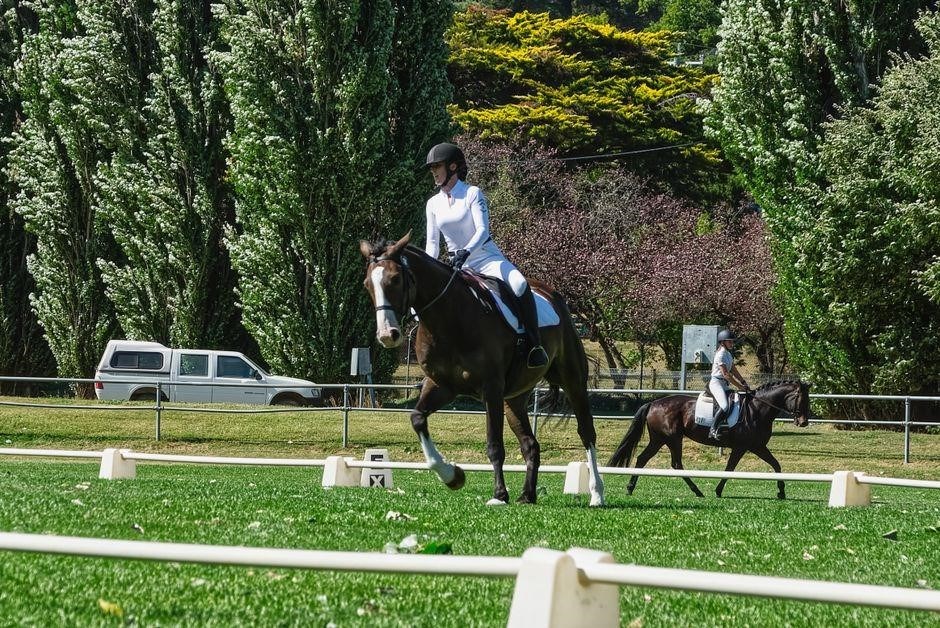
For assistance with the Intro C Dressage Test PDF, riders can reach the United States Dressage Federation (USDF) through several channels. The official website https://www.usdf.com hosts a dedicated support page where users can submit tickets, view FAQs, and download the latest test PDFs. Email inquiries may be sent to info@usdf.com, and the federation’s general support line is (202) 555‑0123, available Monday‑Friday 9 a.m.‑5 p.m. Eastern Time. For questions specific to competition logistics, the USDF’s event coordination team can be contacted at events@usdf.com. Additionally, the federation maintains an active community forum on forum.usdf.com, where riders can share tips, discuss scoring nuances, and request clarification on test elements. The USDF also offers a mobile app, “USDF Companion,” available on iOS and Android, which provides real‑time updates on test releases, rule changes, and a direct messaging feature to connect with federation staff. All contact information is subject to change; riders are encouraged to verify details on the official USDF website before reaching out.
For regional events, contact USDF coordinators via the website’s “Contact Us” page. Riders can review the rulebook for test updates. USDF Dressage Conference offers workshops on test preparation. For urgent PDF download issues, email it@usdf.com. Verify details before reaching out now!